Urinary tract infection — answered fully.
UTIs are common, uncomfortable and — when they recur — a sign that something deserves proper attention. This guide covers acute infection, recurrent UTI and long-term prevention.


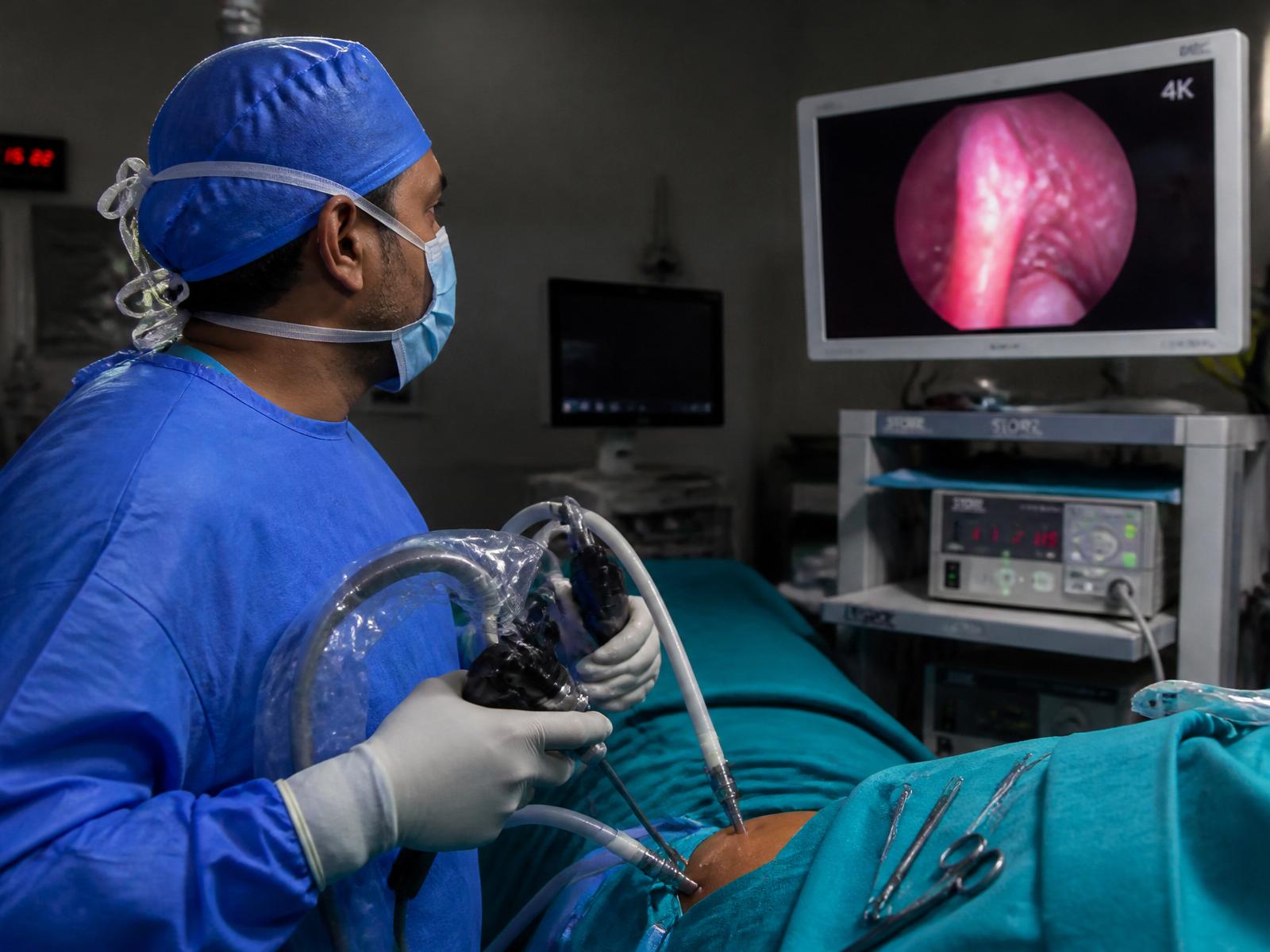
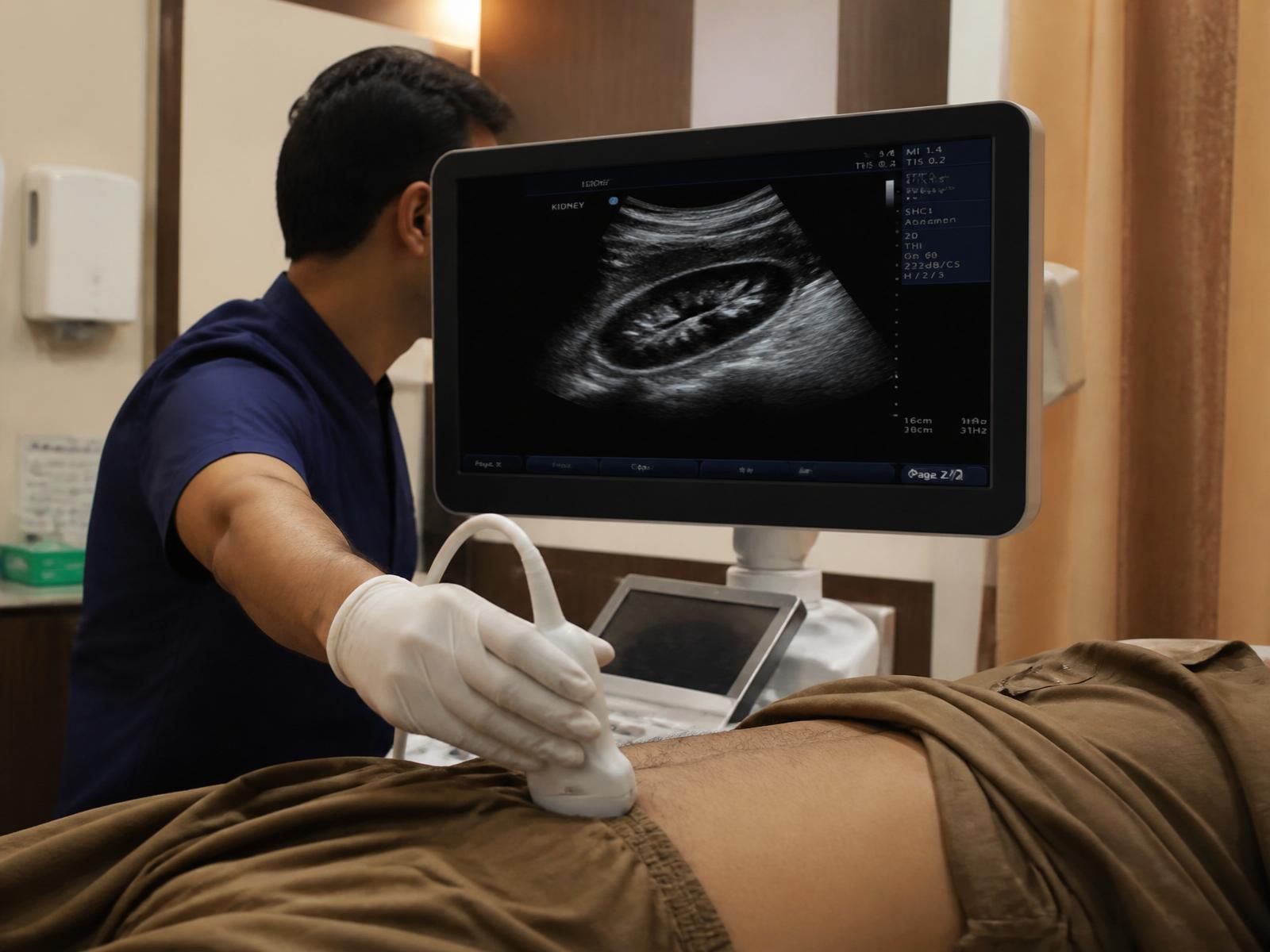
Anonymous scenes from a modern urology & sexology practice.


Overview
A urinary tract infection is caused by bacteria (most often E. coli) entering the urinary system. Lower UTIs affect the bladder (cystitis); upper UTIs reach the kidney (pyelonephritis) and are more serious. In many patients, especially women, UTIs recur — which is where a urologist's evaluation makes the biggest difference.

Symptoms
Causes
Diagnosis
Treatment
Antibiotics
Targeted based on culture. Uncomplicated cystitis often resolves with a 3–5 day course; pyelonephritis needs longer, sometimes intravenous therapy.
Hydration & analgesia
Generous fluid intake and symptomatic relief while the antibiotic works.
Recurrent UTI plan
Post-coital prophylaxis, low-dose long-term antibiotics, vaginal oestrogen (post-menopause), or non-antibiotic strategies.
Address the cause
Treatment of stones, obstruction or incomplete emptying is often what finally ends the cycle of recurrence.
Prevention
Frequently asked
Don't wait if symptoms persist.
If you notice worsening pain, blood in the urine, fever, or symptoms that disrupt sleep or intimacy — book a consultation. Early evaluation almost always means a simpler treatment.
Book with Dr. ArifUrinary Tract Disorders
Bring your questions — leave with a plan.
A single private consultation with Dr. Arif is often all it takes to understand your options clearly.
Services
Patient Education
Clinic Timings
- Monday – Friday · 5:00 PM – 9:00 PM
- Saturday · 4:00 PM – 8:00 PM
- Sunday · By appointment