Patient education

Kidney stones — the definitive guide.

Kidney stones are common, painful and completely treatable. This guide explains why they form, how modern urology removes them, and how to make sure they do not come back.
FCPS Urology
20+ Years Practice
Fellowship Endoscopy
12,000+ Patients
Clinical view

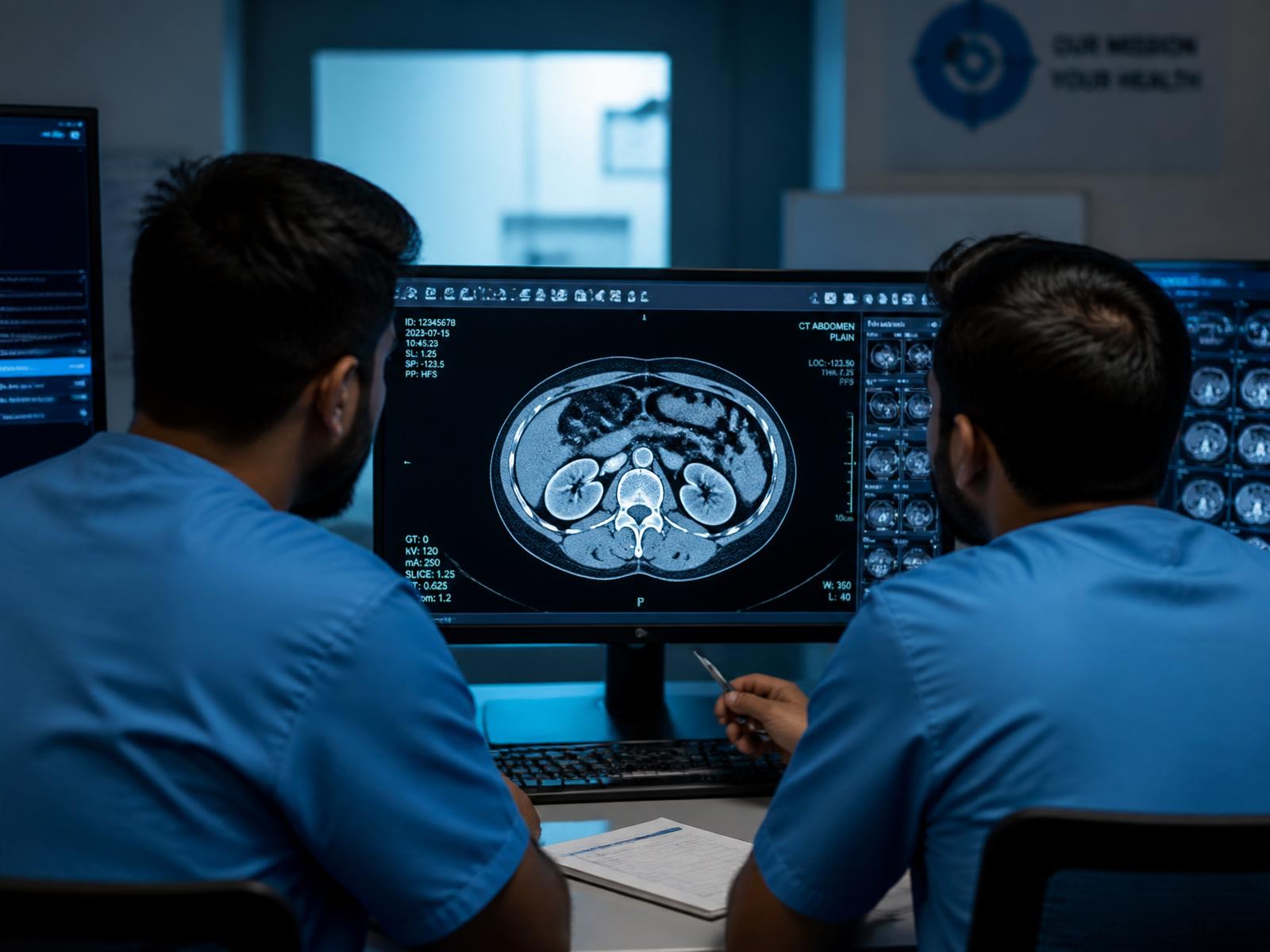
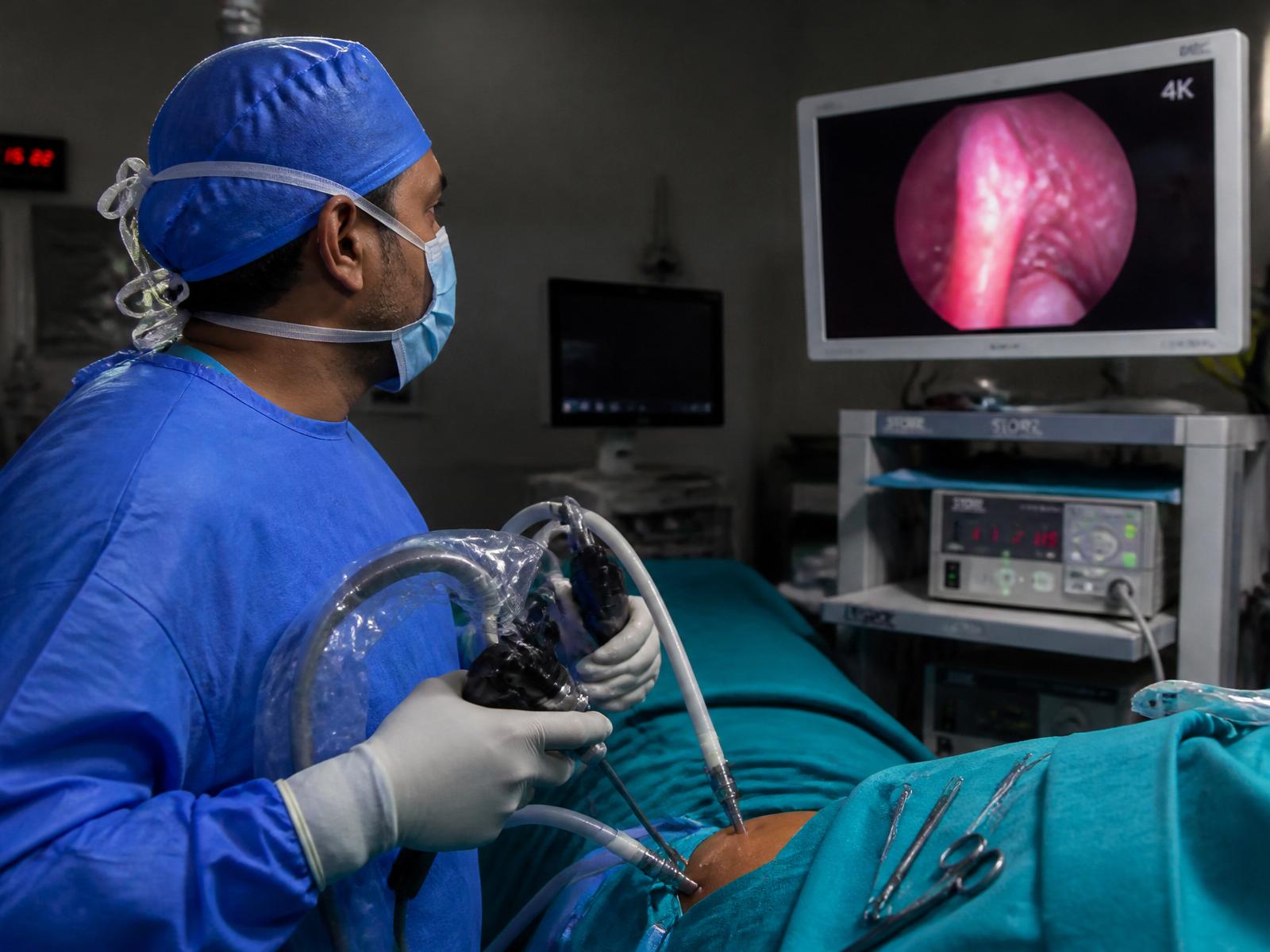
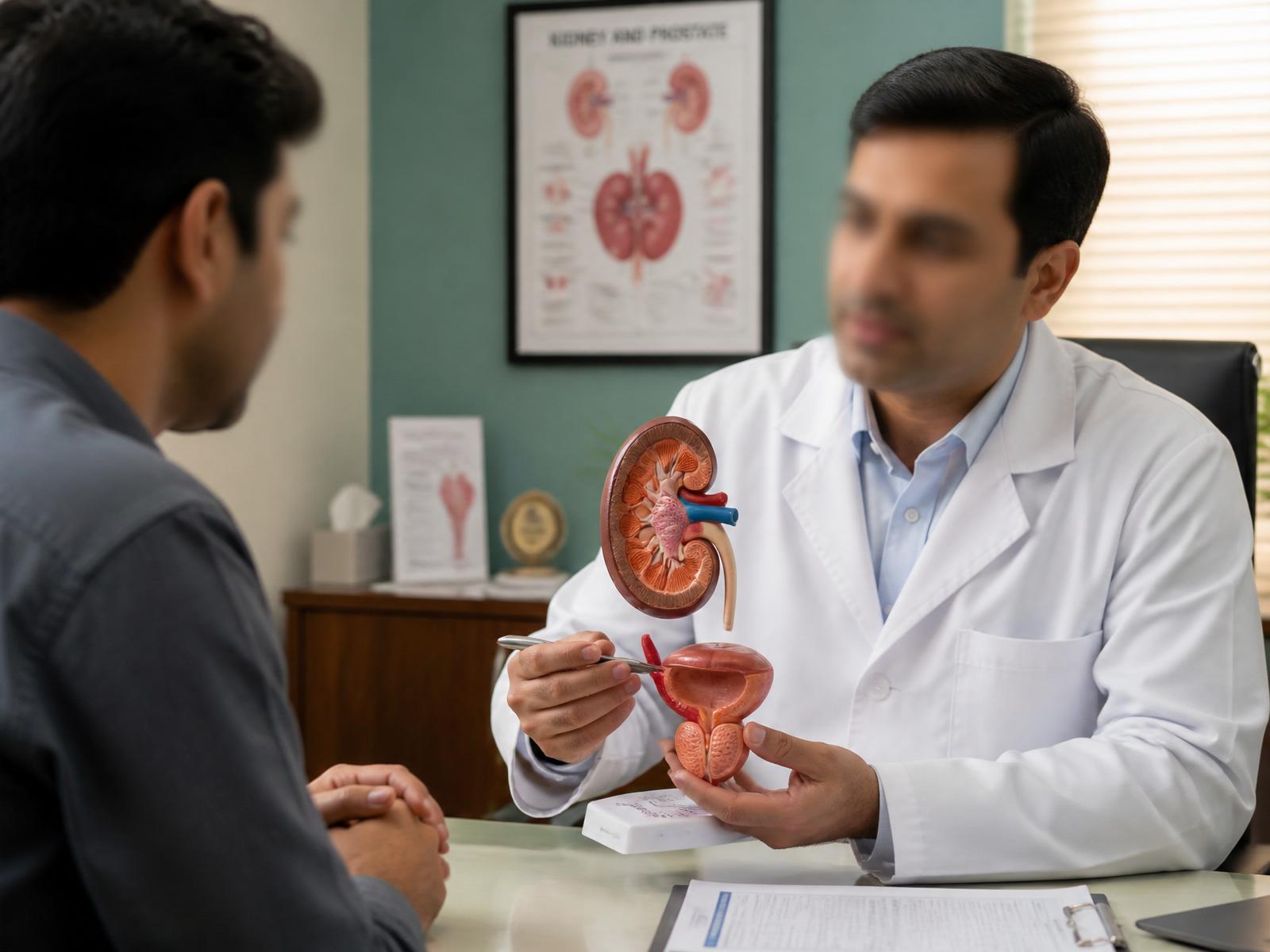
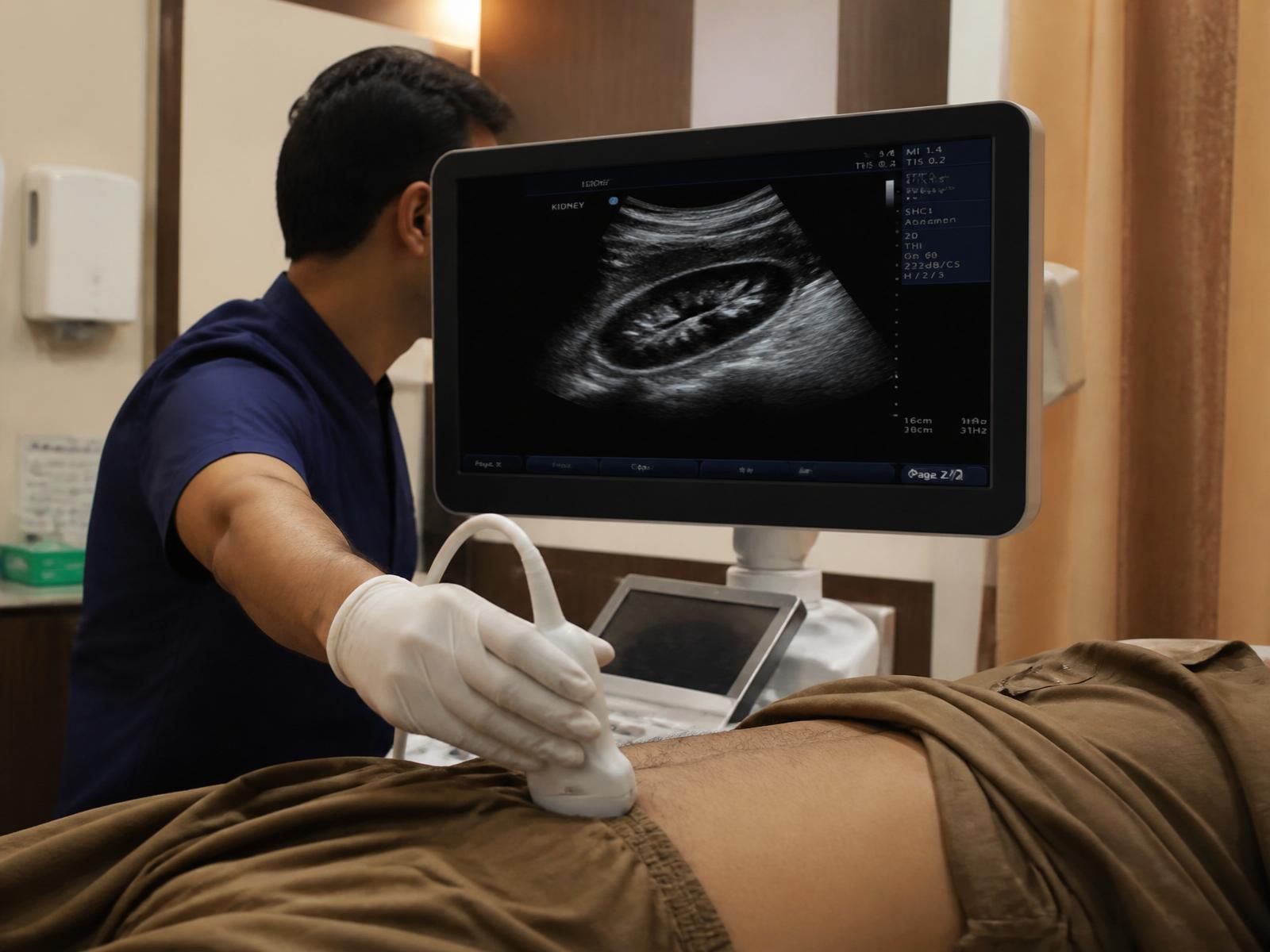
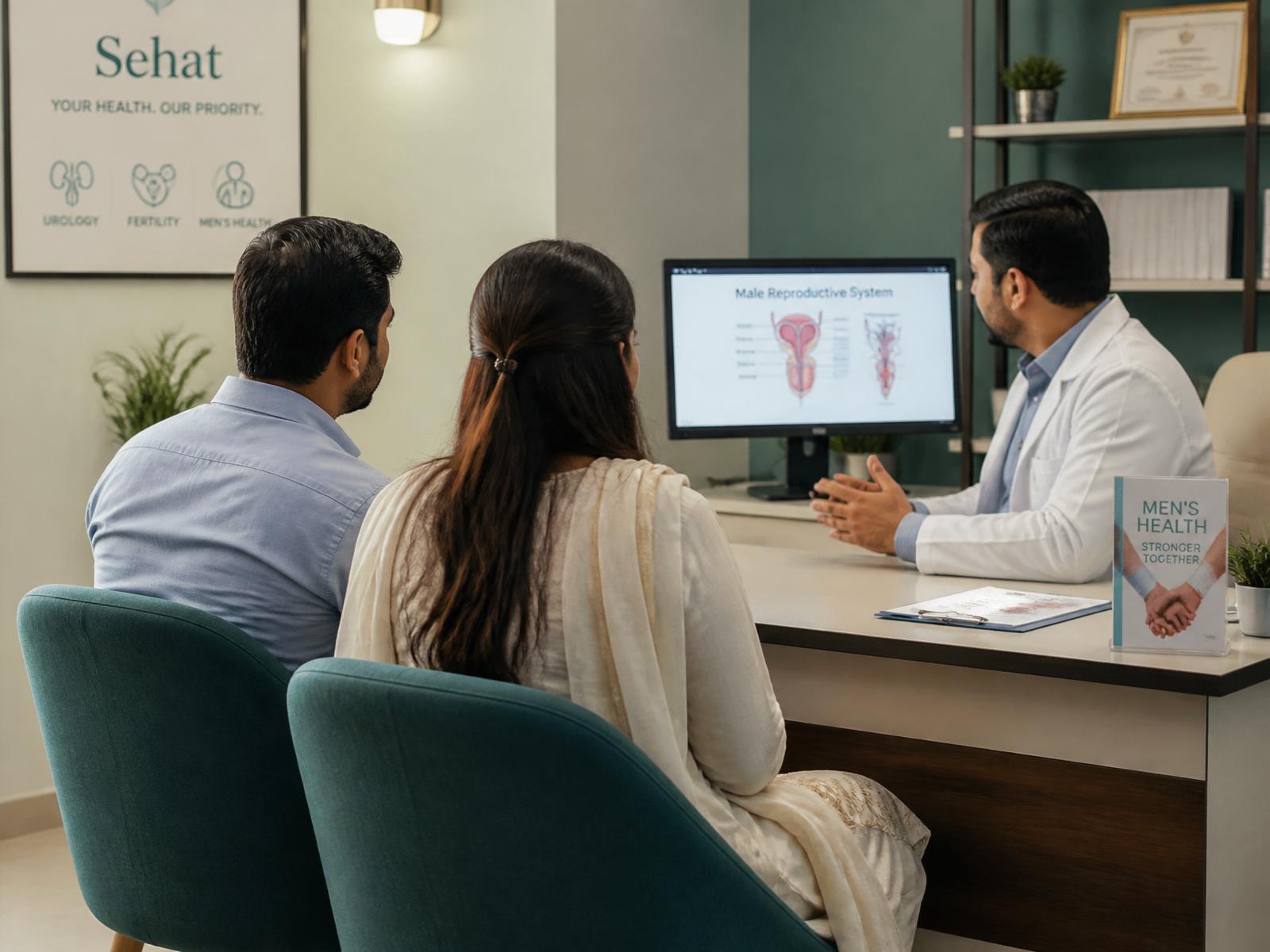
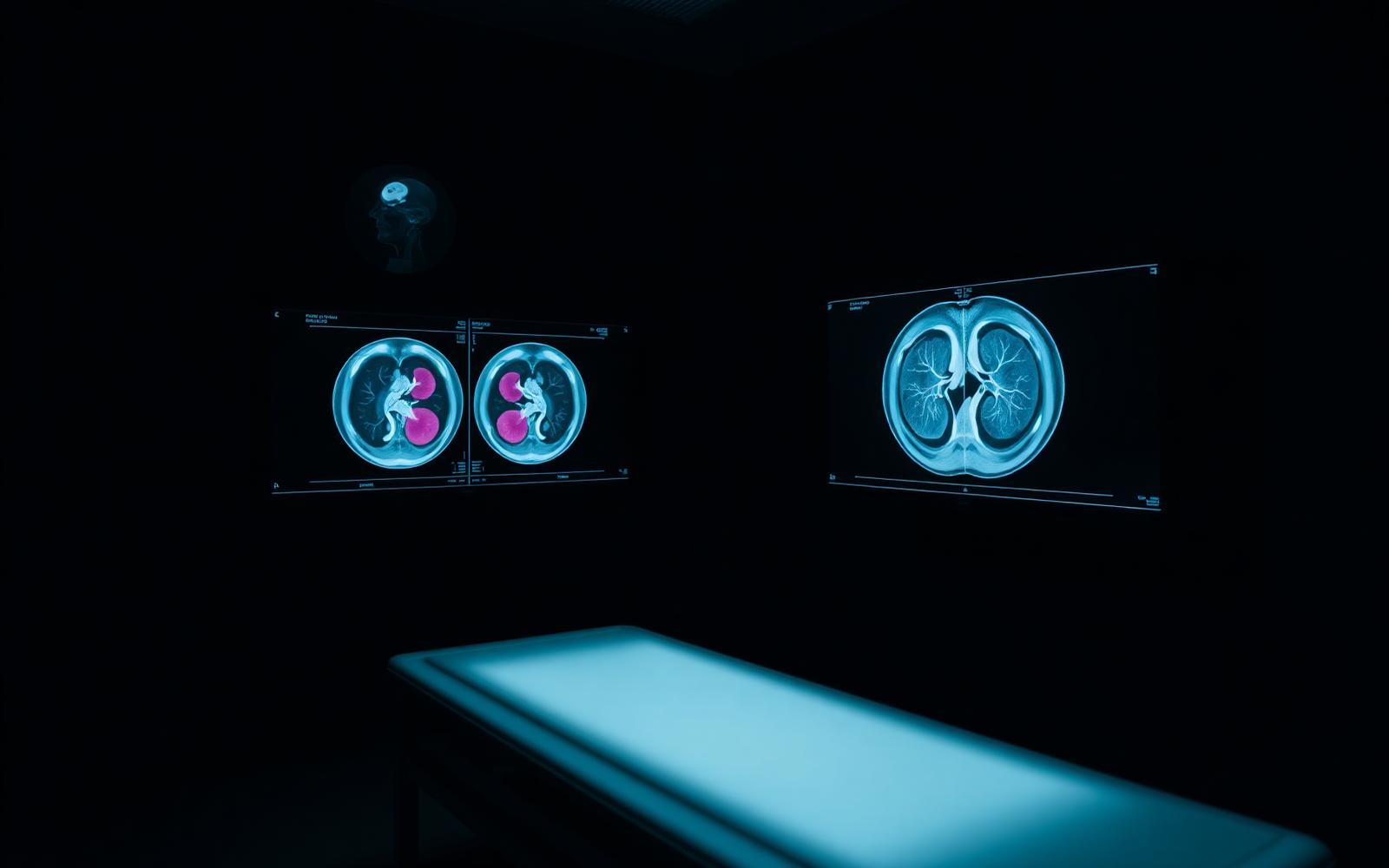
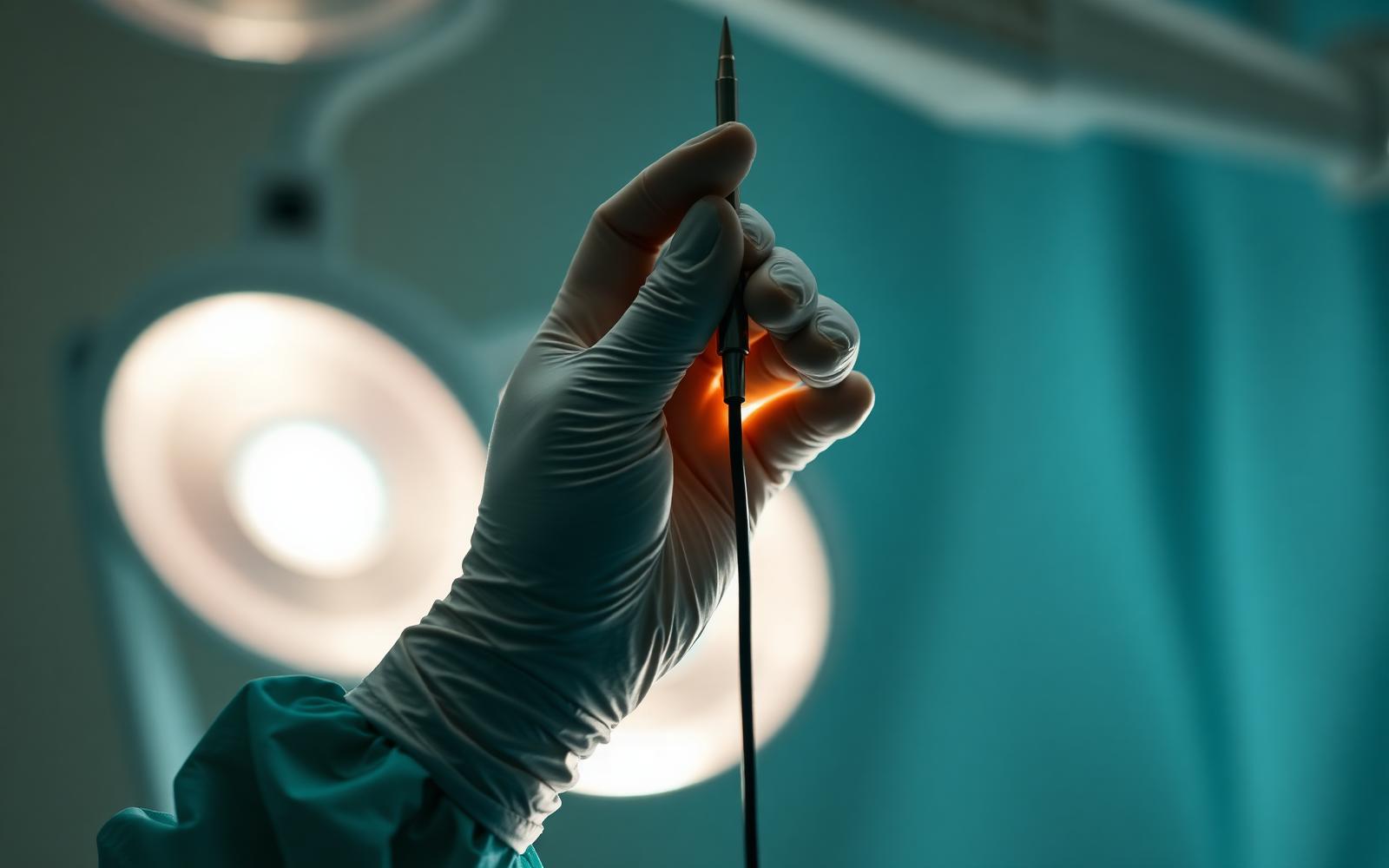
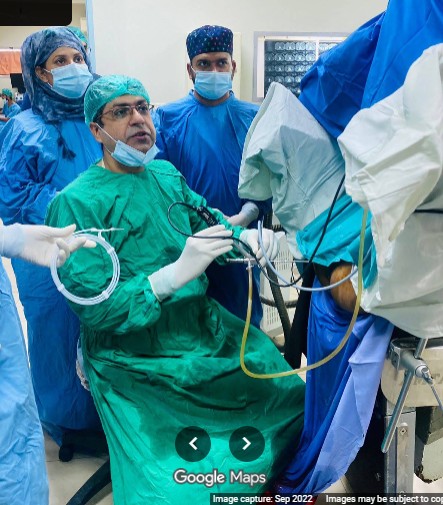
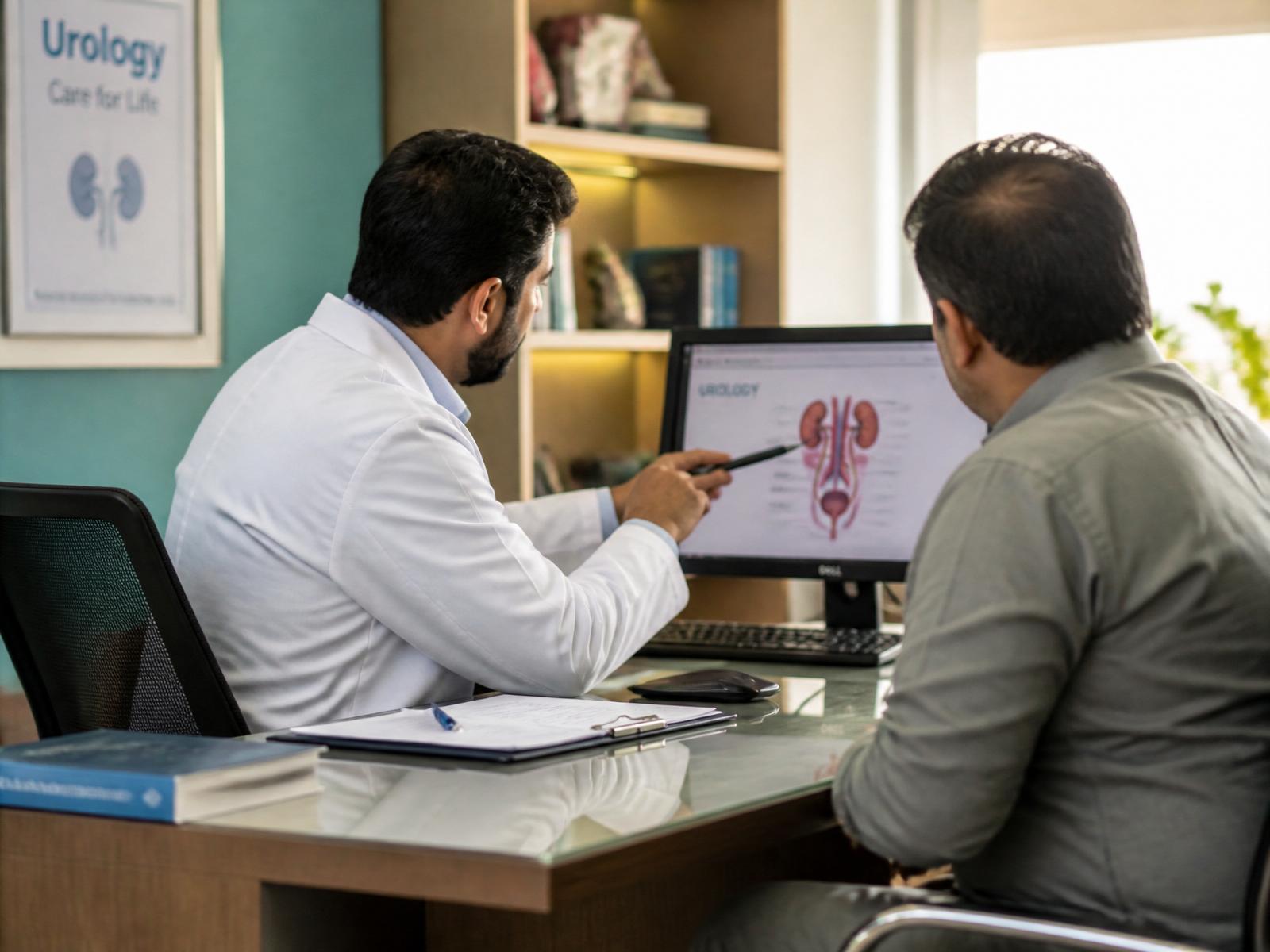
Anonymous scenes from a modern urology & sexology practice.

Illustrative clinical photography — the space, the technology and the care Dr. Arif’s patients experience every day.

Overview

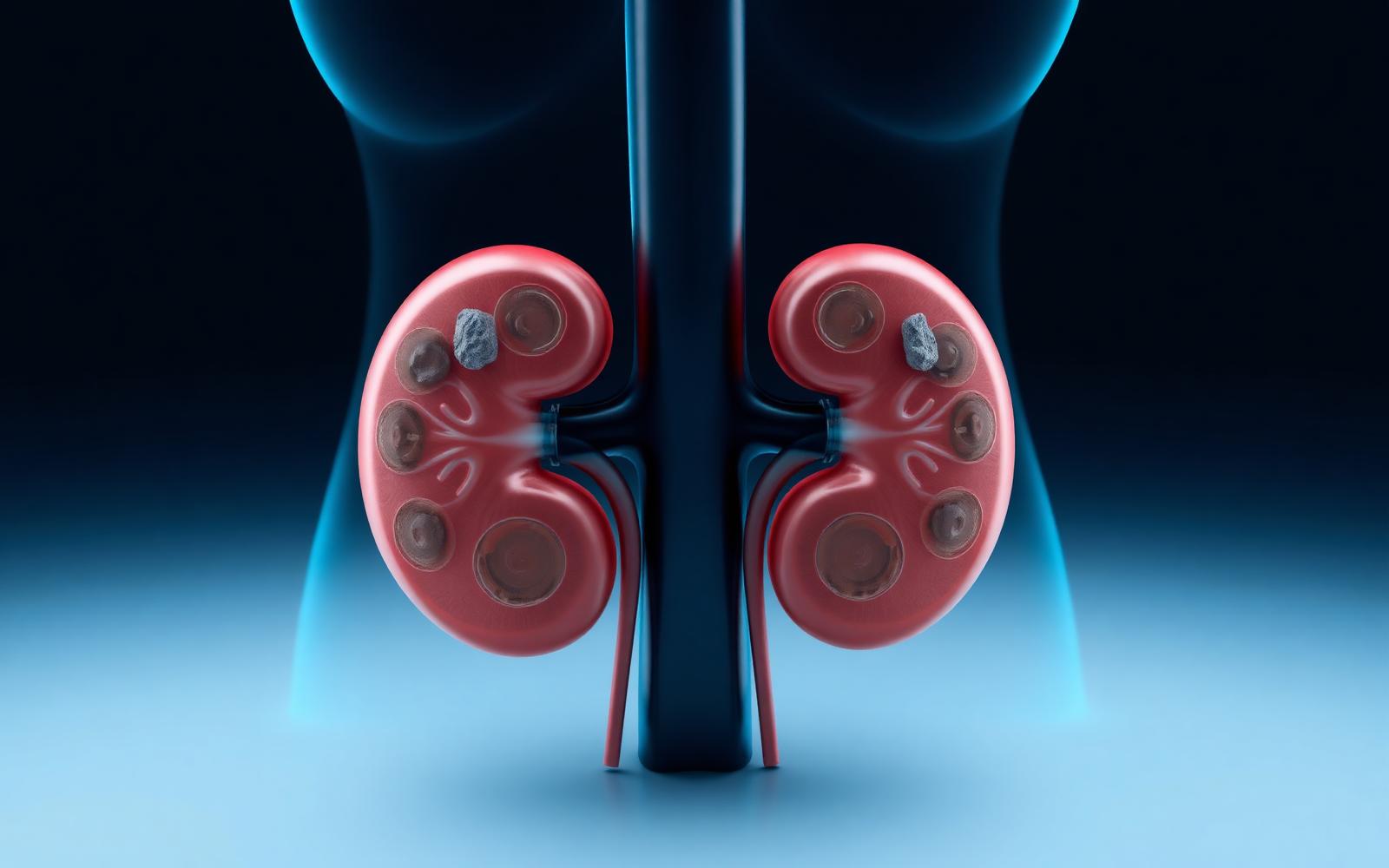
A kidney stone is a hard crystal that forms when concentrated urine allows minerals to bond together. Small stones may pass on their own; larger ones need to be broken up or removed. Untreated, they can cause severe pain, infection and even kidney damage — but with modern endoscopic care, most patients go home within 24–48 hours.
Symptoms

  • Severe pain in the back, side or lower abdomen (renal colic)
  • Blood in the urine (pink, red or brown)
  • Nausea and vomiting during pain episodes
  • Burning sensation while urinating
  • Frequent, urgent need to urinate
  • Fever and chills — indicates infection, seek urgent care
  • Causes

  • Insufficient daily water intake, especially in hot climates
  • High-salt or high-oxalate diet
  • Family history of stone disease
  • Obesity and metabolic syndrome
  • Certain medications and chronic conditions
  • Recurrent urinary tract infections
  • Diagnosis

  • Detailed history and physical examination
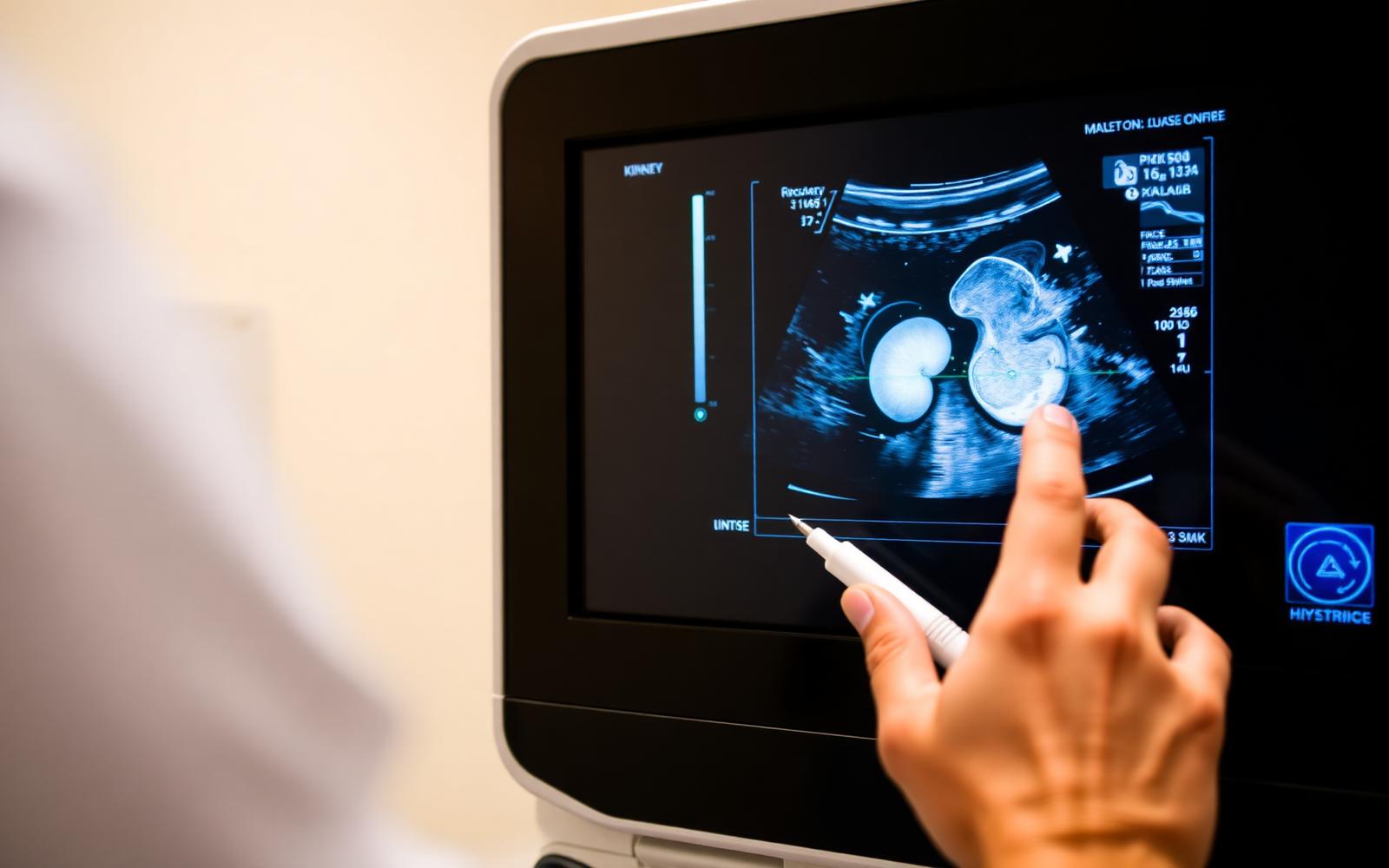
  • Ultrasound of the kidneys, ureters and bladder
  • Non-contrast CT KUB — the gold standard imaging test
  • Urine analysis to look for crystals and infection
  • Blood tests including creatinine, calcium and uric acid
  • 24-hour urine metabolic study for recurrent stone formers
  • Treatment

    Conservative (small stones)

    Fluids, pain relief and medical expulsive therapy — appropriate for stones under 5 mm with a clear path.

    Ureteroscopy (URS) + Laser

    A slim endoscope reaches the stone and holmium laser dust it into fine particles. Day-care procedure, no external cuts.

    PCNL (percutaneous)

    For larger stones (> 2 cm), a small tract into the kidney allows complete clearance in a single sitting.

    Shock-wave lithotripsy (ESWL)

    Non-invasive shock waves fragment select stones without any anaesthesia.

    Prevention

  • Drink 2.5–3 litres of water daily — more in summer
  • Reduce salt to under 5 g per day
  • Moderate animal protein, favour plant sources
  • Limit high-oxalate foods only if your stone analysis requires it
  • Maintain a healthy weight and regular activity
  • Annual review if you have had a previous stone
  • Frequently asked

    When to see a doctor

    Don't wait if symptoms persist.

    If you notice worsening pain, blood in the urine, fever, or symptoms that disrupt sleep or intimacy — book a consultation. Early evaluation almost always means a simpler treatment.

    Book with Dr. Arif
    Related

    Kidney Stone Treatment

    Minimally invasive stone removal — URS, PCNL, and shock-wave lithotripsy tailored to your anatomy.
    Ready to talk?

    Bring your questions — leave with a plan.

    A single private consultation with Dr. Arif is often all it takes to understand your options clearly.

    A
    Dr. Arif Ali
    Urologist · Sexologist
    Consultant Urologist & Sexologist based in Karachi. Two decades of endoscopic, laser and reconstructive urology — delivered with warmth and complete privacy.

    Clinic Timings

    • Monday – Friday · 5:00 PM – 9:00 PM
    • Saturday · 4:00 PM – 8:00 PM
    • Sunday · By appointment
    Garden Road, Preedy Quarters, Karachi, Pakistan
    +92 321 2816610
    © 2026 Dr. Arif Ali Shaikh. All rights reserved.
    Karachi, Pakistan · Consultant Urologist & Sexologist

    This is a title

    Scroll to Top