Patient education

Male infertility — causes and answers.

Nearly half of all infertility involves the male partner — and much of it is treatable. This guide explains how a modern andrology workup finds the cause, and what today's medicine can do about it.
FCPS Urology
20+ Years Practice
Fellowship Endoscopy
12,000+ Patients
Clinical view

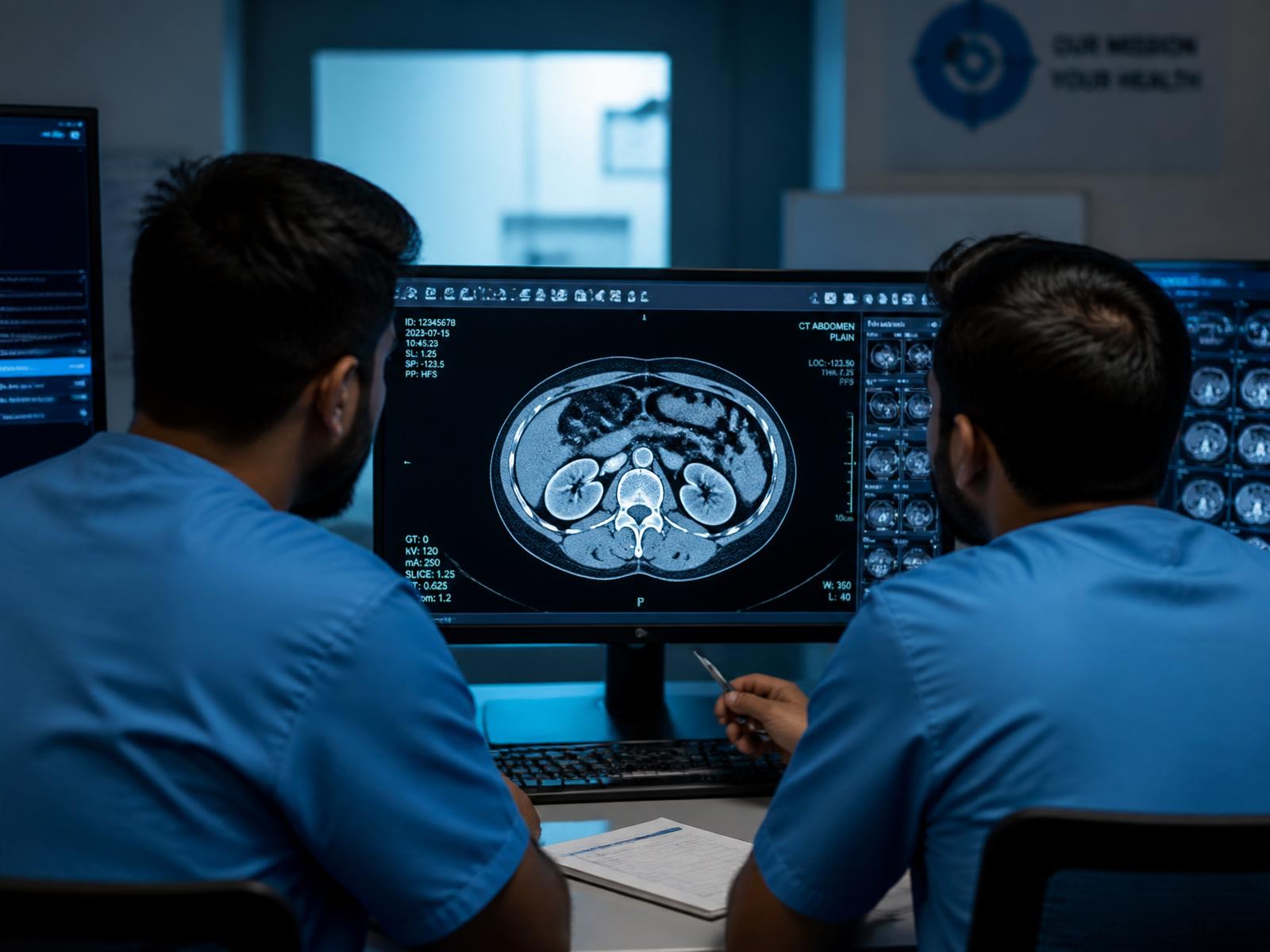
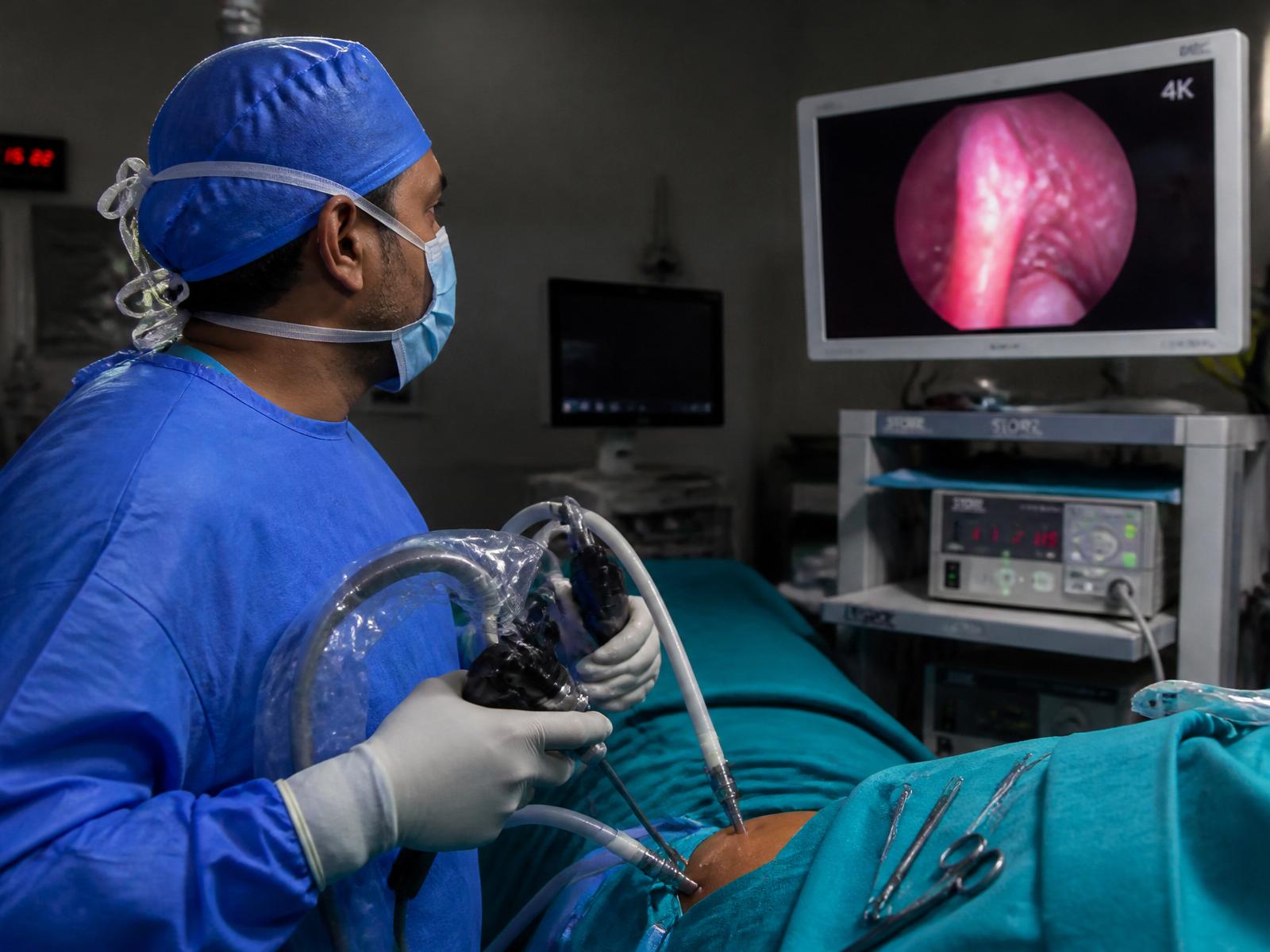
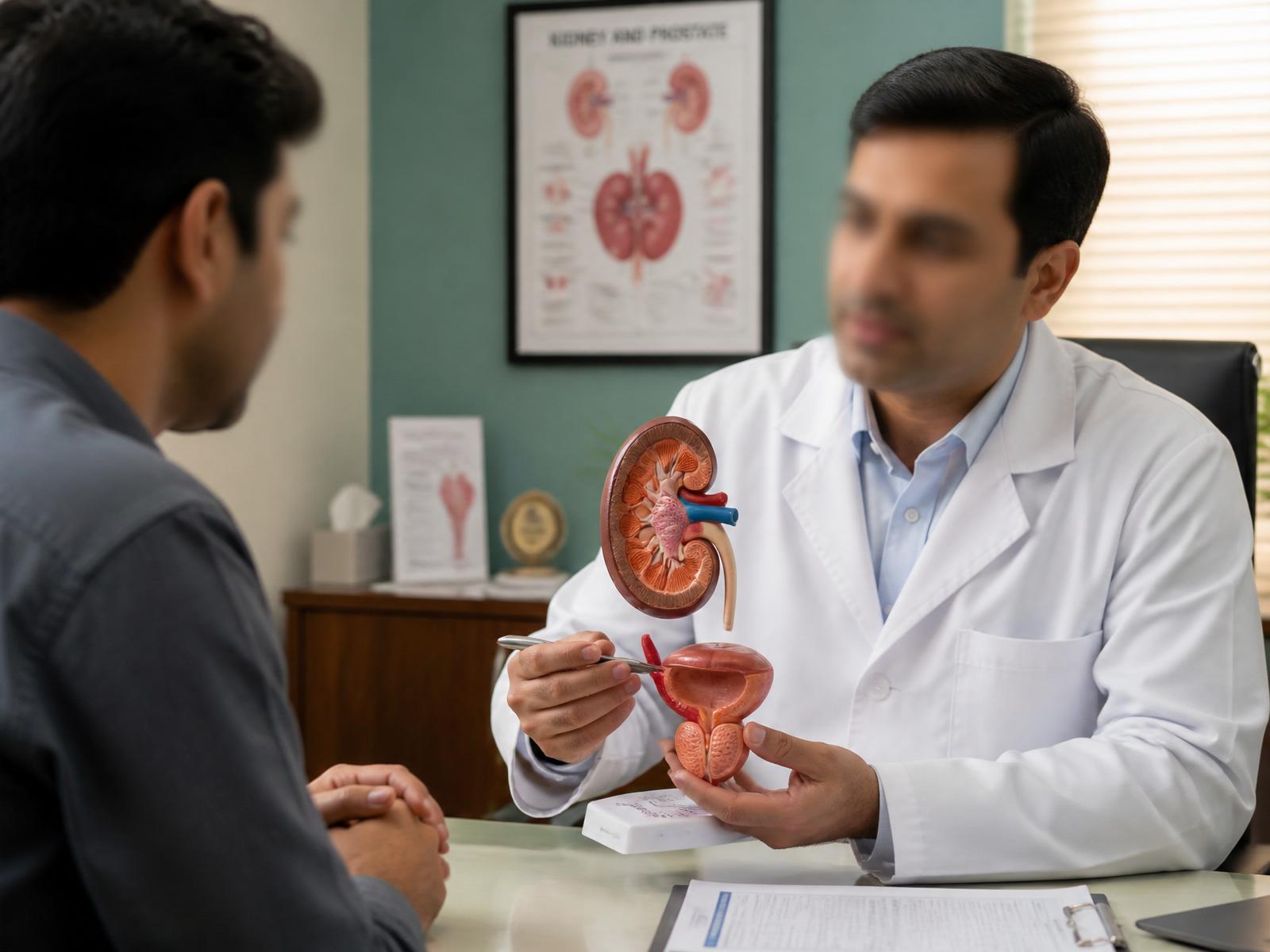
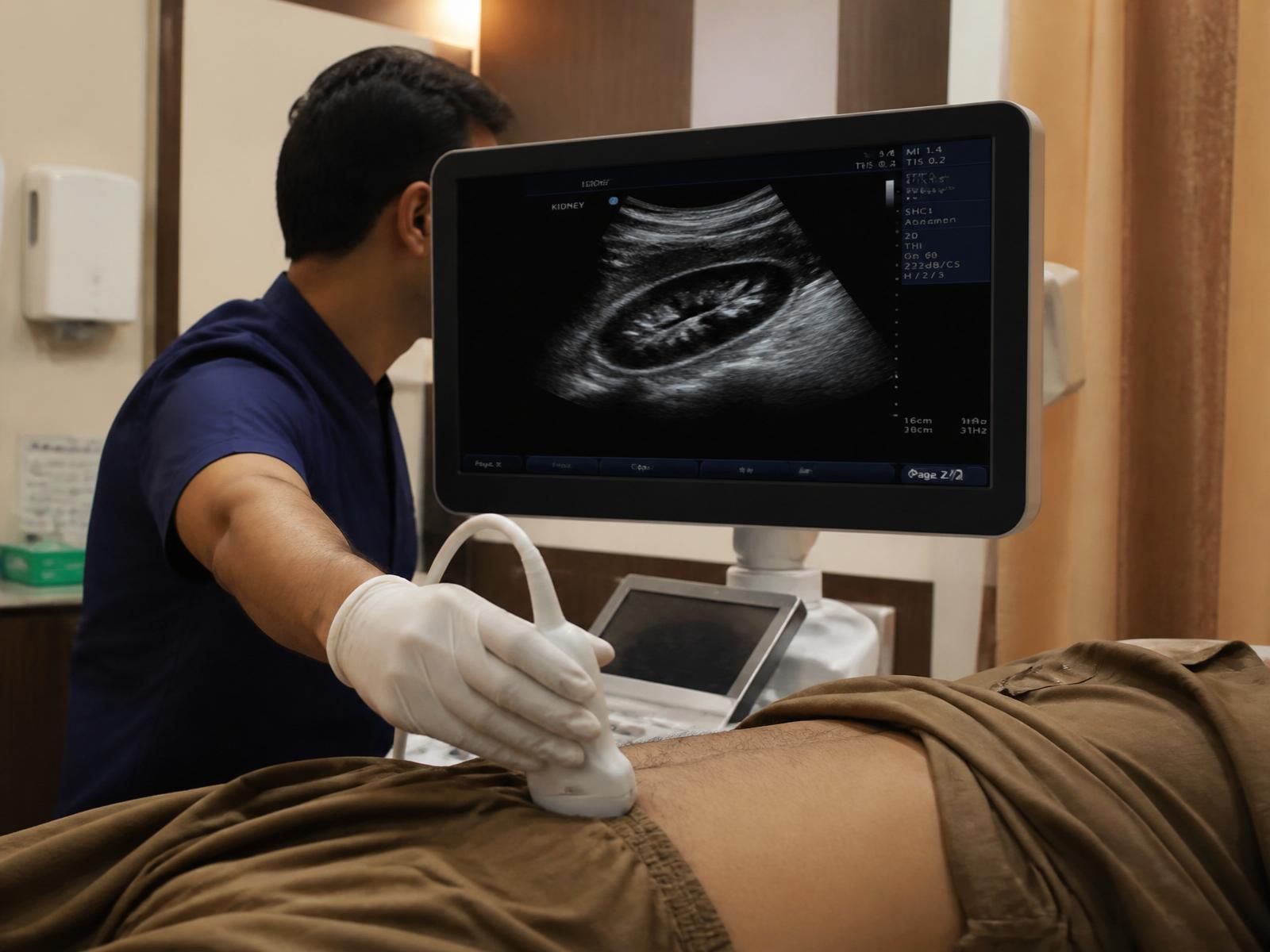
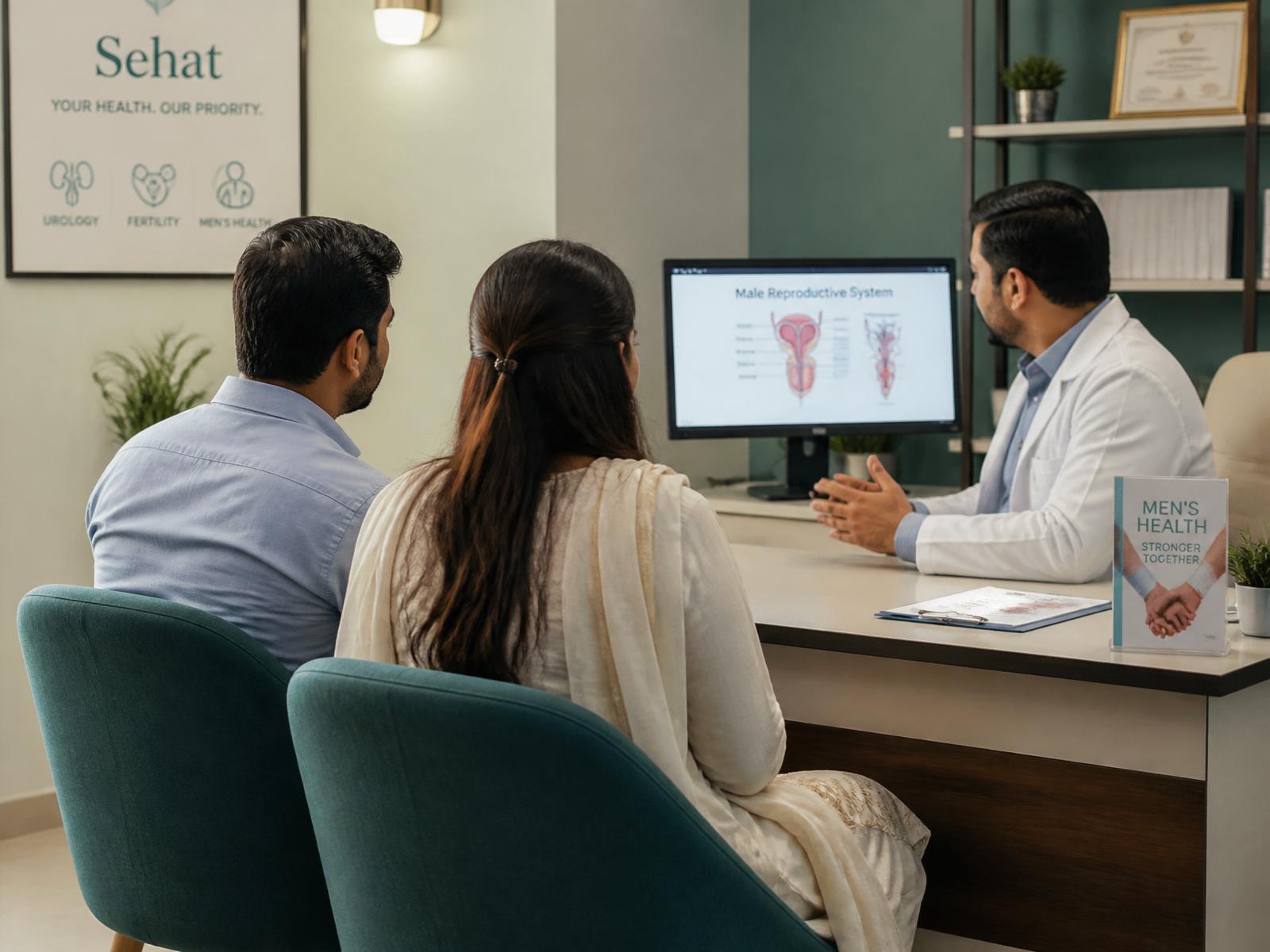
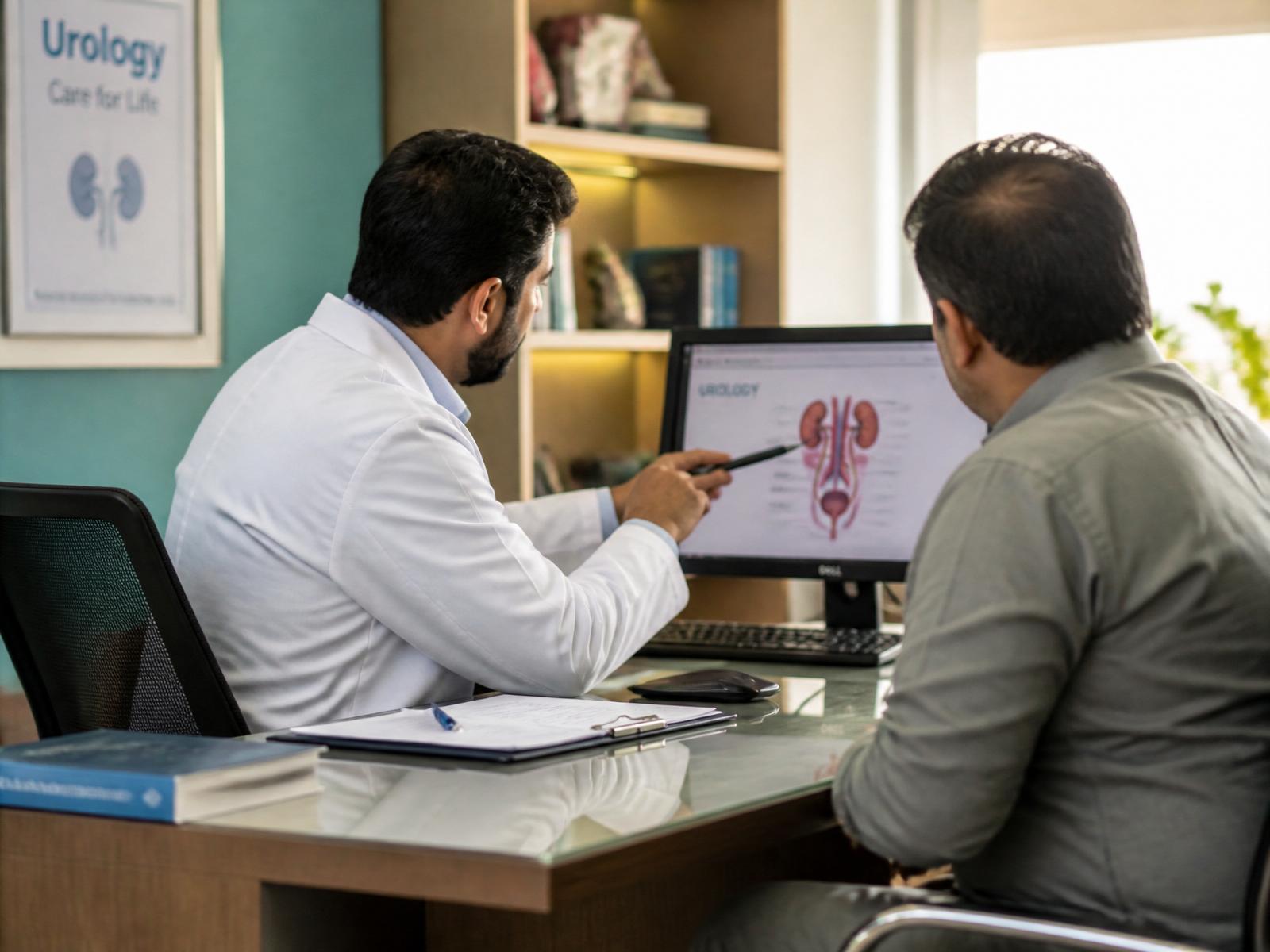
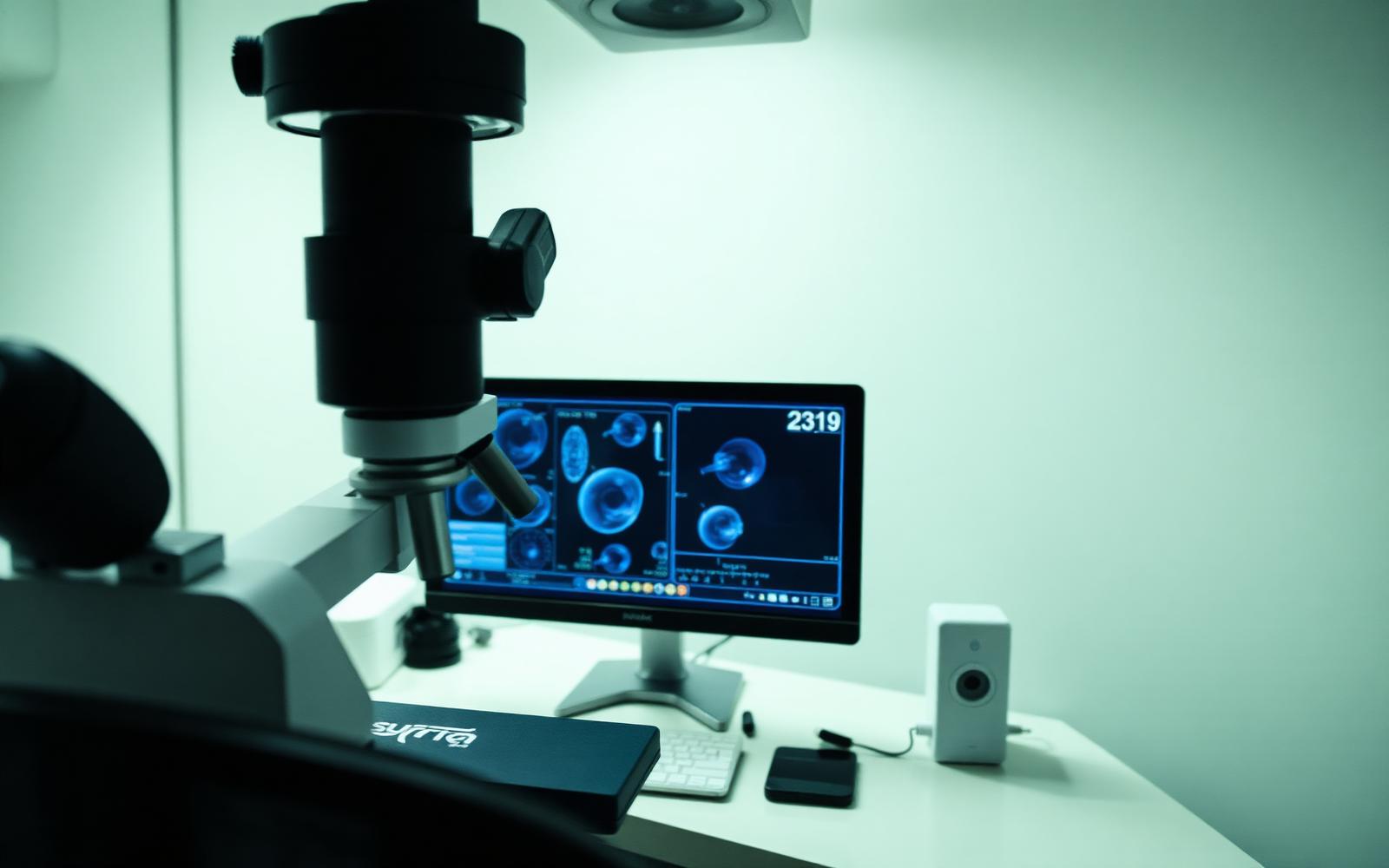
Anonymous scenes from a modern urology & sexology practice.

Illustrative clinical photography — the space, the technology and the care Dr. Arif’s patients experience every day.

Overview

A couple is considered infertile after 12 months of regular unprotected intercourse without pregnancy. In roughly 40–50% of cases a male factor is involved. Comprehensive evaluation of both partners is the essential first step, and Dr. Arif works closely with fertility specialists to give couples a single, coherent plan.

Symptoms

  • Inability to conceive after 12 months of trying
  • Low libido or erectile difficulty
  • Testicular pain, swelling or lump
  • Reduced facial or body hair (hormonal)
  • Small or firm testicles on examination
  • History of undescended testis or genital surgery
  • Causes

  • Varicocele — dilated scrotal veins reducing sperm quality
  • Hormonal imbalance (testosterone, FSH, LH, prolactin)
  • Genetic conditions (Klinefelter, Y-microdeletion)
  • Previous infections (mumps, epididymo-orchitis)
  • Obstruction of the sperm passage
  • Lifestyle — smoking, obesity, heat exposure, anabolic steroids
  • Diagnosis

  • Detailed reproductive and sexual history
  • Physical examination including testicular assessment
  • Two semen analyses, 2–3 weeks apart
  • Hormone panel: testosterone, FSH, LH, prolactin, TSH
  • Scrotal ultrasound with Doppler
  • Genetic testing when indicated
  • Treatment

    Lifestyle & medication

    Weight loss, smoking cessation and targeted supplements can improve sperm quality significantly within 3 months.

    Varicocelectomy

    Microsurgical repair of varicocele improves sperm count, motility and pregnancy rates in the majority of cases.

    Hormonal therapy

    For hypogonadism or specific pituitary problems, carefully titrated therapy can restore normal spermatogenesis.

    Assisted reproduction

    IUI, IVF and ICSI — with sperm retrieved surgically when necessary. Close coordination with your fertility team.

    Prevention

  • Maintain a healthy BMI (18.5–24.9)
  • Avoid smoking, recreational drugs and anabolic steroids
  • Keep the scrotum cool — avoid hot tubs and laptops on the lap
  • Limit alcohol; eat a Mediterranean-style diet rich in antioxidants
  • Manage stress; prioritise 7–8 hours of sleep
  • Frequently asked

    When to see a doctor

    Don't wait if symptoms persist.

    If you notice worsening pain, blood in the urine, fever, or symptoms that disrupt sleep or intimacy — book a consultation. Early evaluation almost always means a simpler treatment.

    Book with Dr. Arif
    Related

    Male Infertility

    Complete andrological evaluation, hormonal workup and micro-surgical fertility restoration.
    Ready to talk?

    Bring your questions — leave with a plan.

    A single private consultation with Dr. Arif is often all it takes to understand your options clearly.

    A
    Dr. Arif Ali
    Urologist · Sexologist
    Consultant Urologist & Sexologist based in Karachi. Two decades of endoscopic, laser and reconstructive urology — delivered with warmth and complete privacy.

    Clinic Timings

    • Monday – Friday · 5:00 PM – 9:00 PM
    • Saturday · 4:00 PM – 8:00 PM
    • Sunday · By appointment
    Garden Road, Preedy Quarters, Karachi, Pakistan
    +92 321 2816610
    © 2026 Dr. Arif Ali Shaikh. All rights reserved.
    Karachi, Pakistan · Consultant Urologist & Sexologist
    Scroll to Top