Patient education · Confidential

Erectile dysfunction — honestly explained.

Erectile dysfunction is common, private, and — importantly — very treatable. This guide walks through the physical and psychological causes, and every current treatment option in plain language.
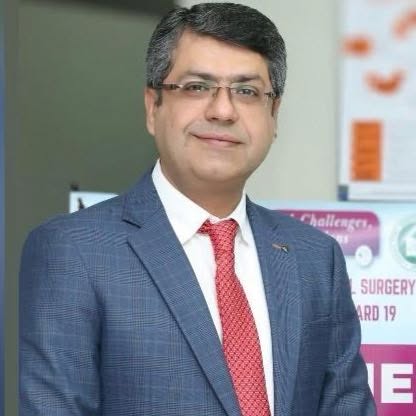
FCPS Urology
20+ Years Practice
Fellowship Endoscopy
12,000+ Patients
Clinical view

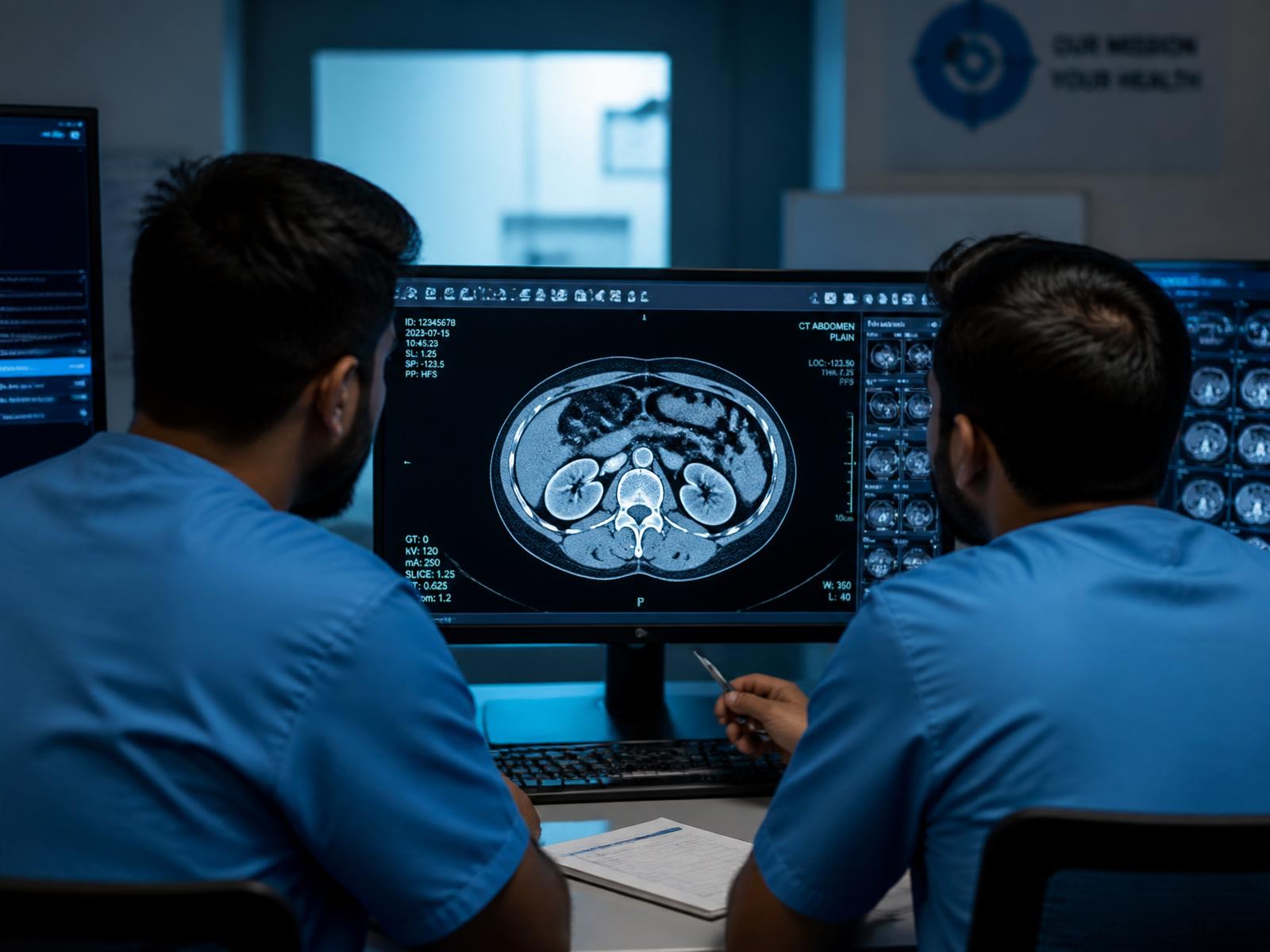
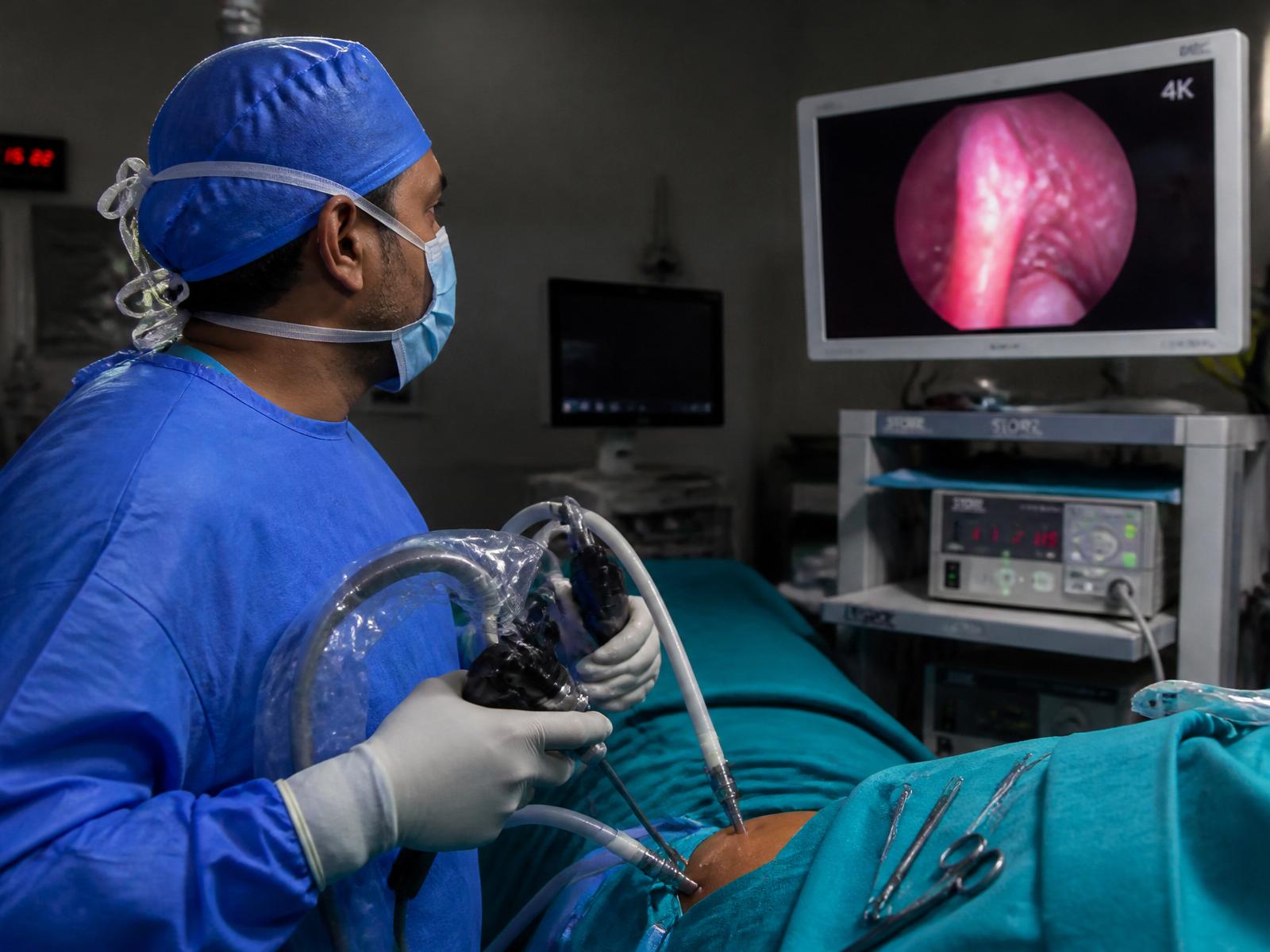
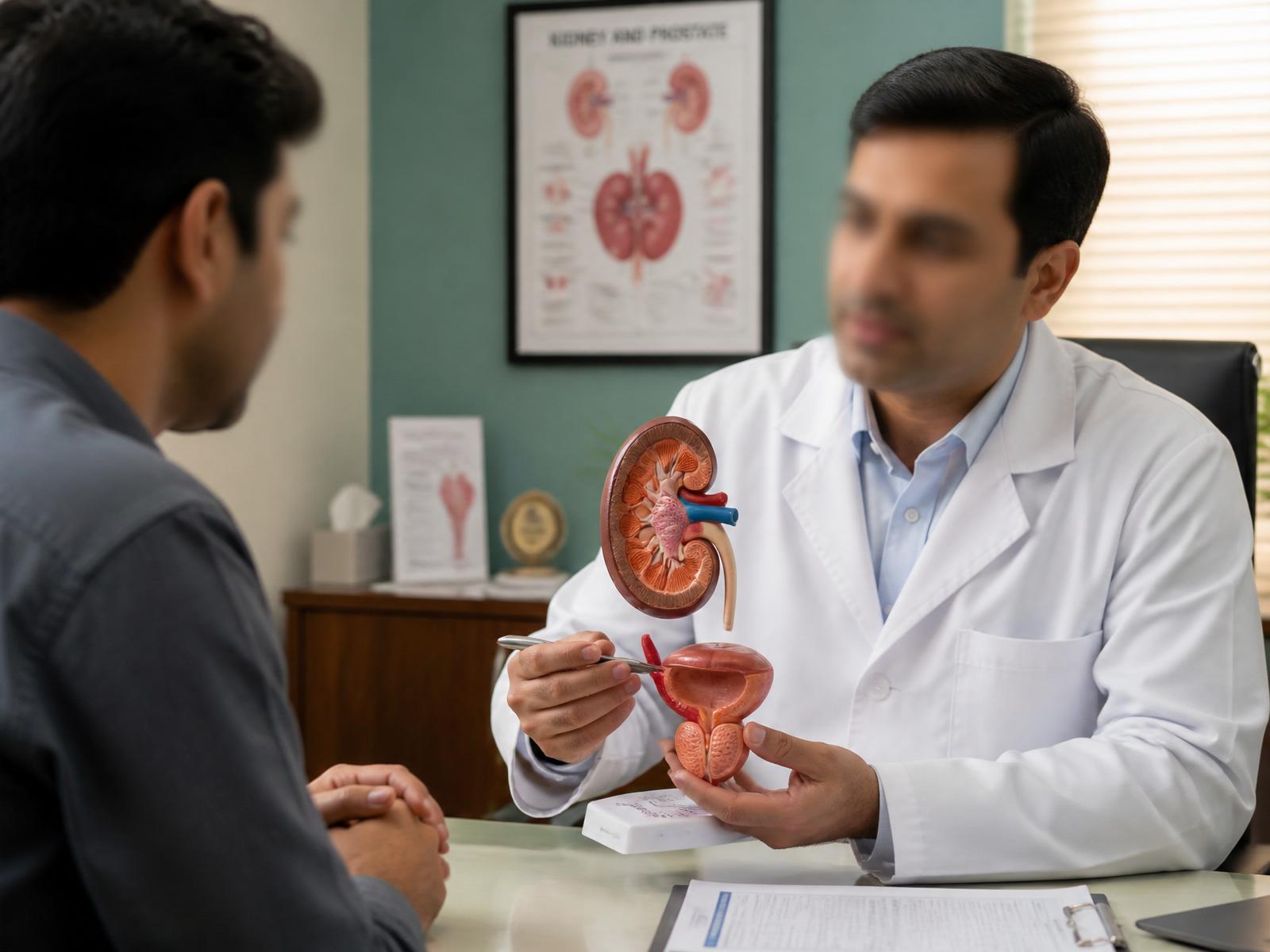
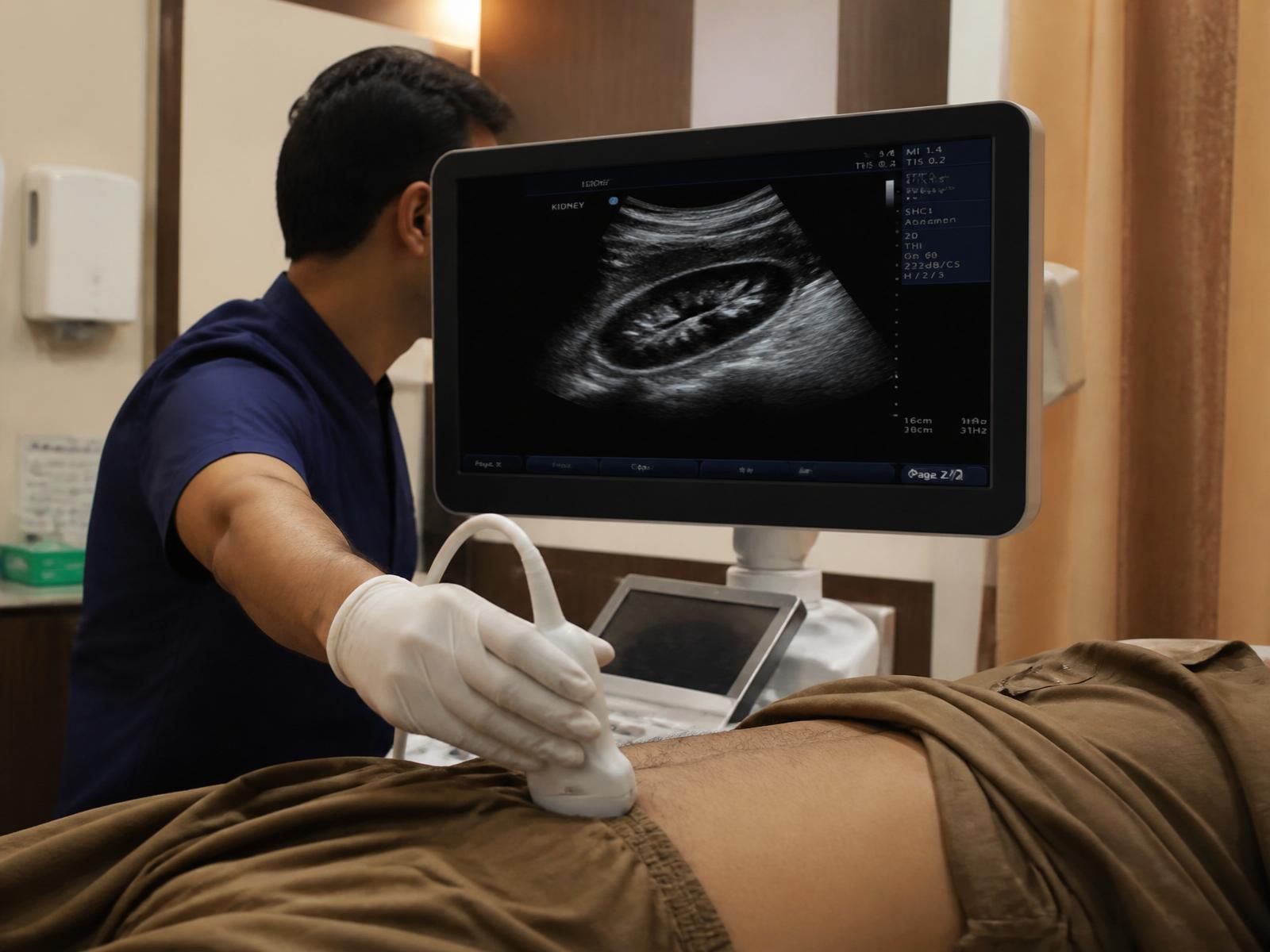
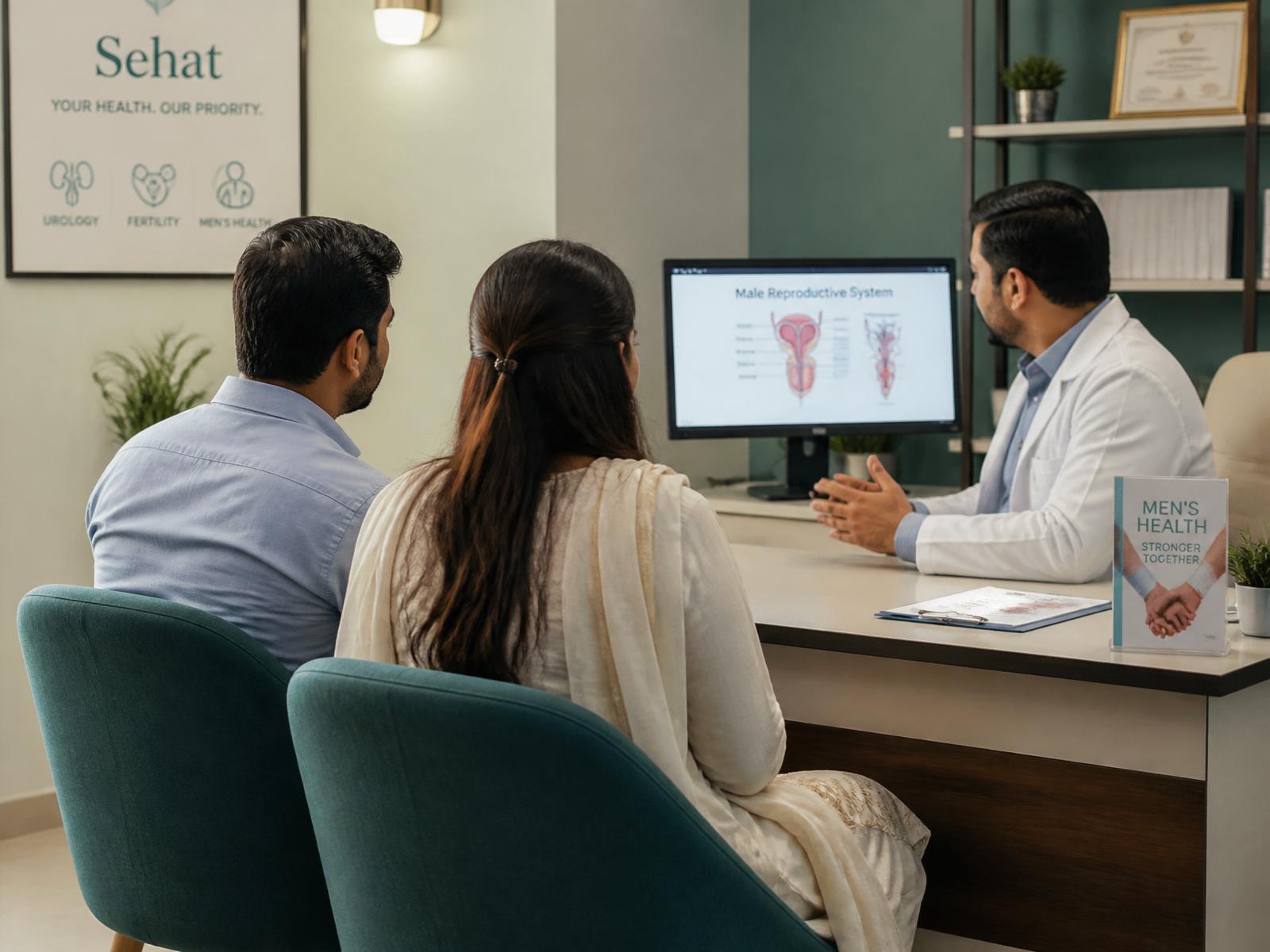
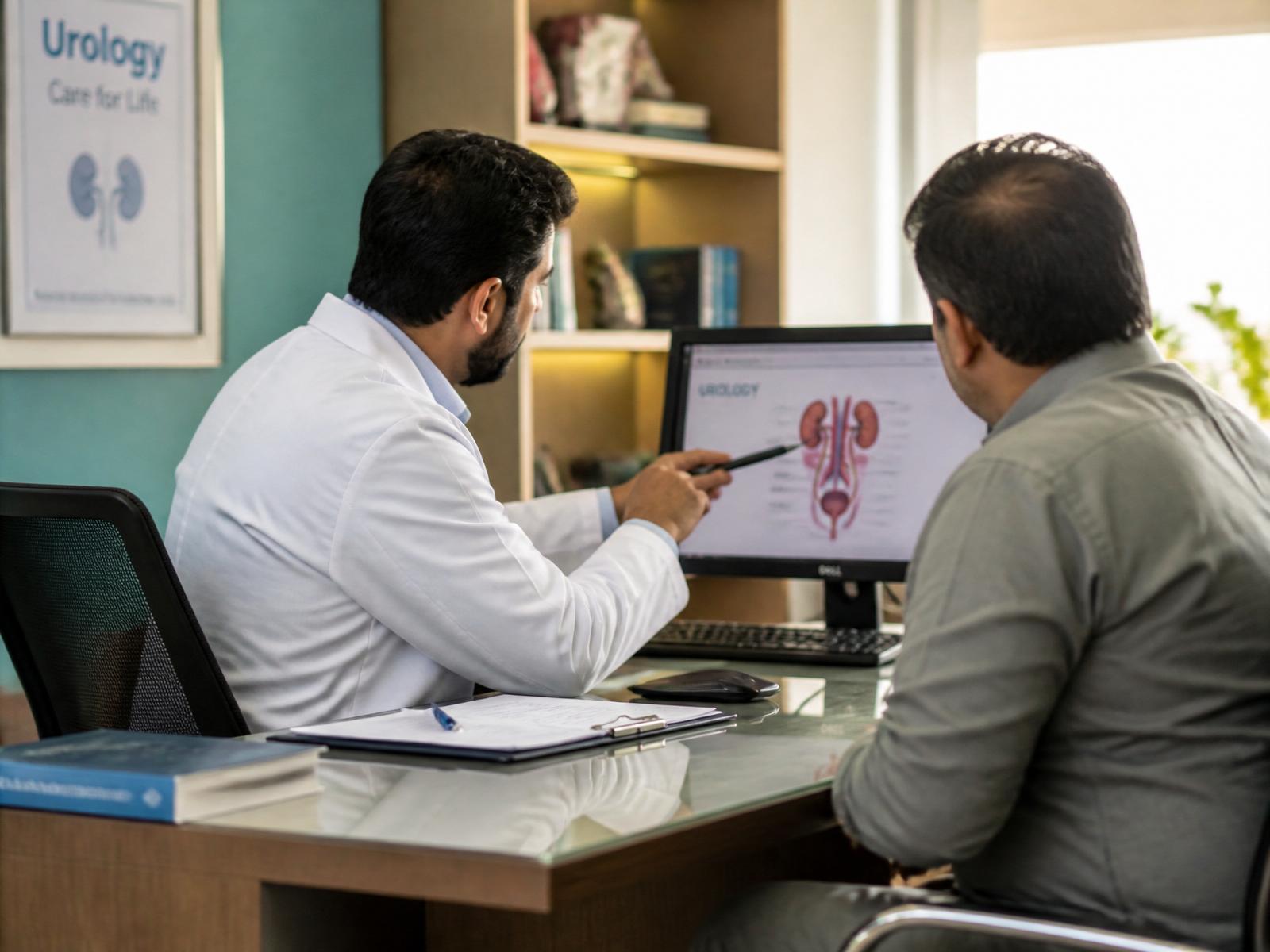
Anonymous scenes from a modern urology & sexology practice.

Illustrative clinical photography — the space, the technology and the care Dr. Arif’s patients experience every day.

Overview

Erectile dysfunction (ED) is the consistent inability to achieve or maintain an erection sufficient for satisfactory intercourse. It affects around one in five men over 40, and its incidence rises with age. ED is often the first sign of an underlying vascular or hormonal issue, which is why a proper medical assessment matters — even before considering treatment.


Symptoms

  • Difficulty achieving an erection
  • Difficulty maintaining an erection long enough
  • Reduced sexual desire
  • Erections only in certain situations (e.g. morning)
  • Anxiety and avoidance of intimacy
  • Causes

  • Vascular disease (hypertension, high cholesterol, diabetes)
  • Hormonal — low testosterone, thyroid disorders, hyperprolactinaemia
  • Neurological — after pelvic surgery or nerve conditions
  • Medications — antihypertensives, antidepressants, others
  • Psychological — stress, anxiety, depression, relationship strain
  • Lifestyle — smoking, alcohol, obesity, sedentary living
  • Diagnosis

  • Detailed sexual, medical and psychological history
  • General and genital examination
  • Blood tests — fasting glucose, lipid profile, testosterone, prolactin
  • Nocturnal penile tumescence (NPT) test if needed
  • Penile Doppler ultrasound for vascular assessment
  • Treatment

    Lifestyle first

    Weight loss, smoking cessation, exercise and glycaemic control alone restore function in a meaningful subset of men.

    Oral therapy (PDE5 inhibitors)

    Sildenafil, tadalafil and similar tablets remain first-line — safe, effective and long-established when properly prescribed.

    Vacuum & intracavernosal

    Vacuum erection devices and low-dose penile injections work well when tablets are unsuitable or insufficient.

    Restorative & surgical

    Low-intensity shock-wave therapy for vasculogenic ED; penile implants for medically refractory cases, with very high satisfaction.

    Prevention

  • Control blood pressure, blood sugar and cholesterol
  • Stop smoking — the single biggest reversible risk factor
  • Aim for 150 minutes of moderate exercise weekly
  • Sleep 7–8 hours; treat sleep apnoea if present
  • Address anxiety early — talk therapy has strong evidence
  • Frequently asked

    When to see a doctor

    Don't wait if symptoms persist.

    If you notice worsening pain, blood in the urine, fever, or symptoms that disrupt sleep or intimacy — book a consultation. Early evaluation almost always means a simpler treatment.

    Book with Dr. Arif
    Related

    Erectile Dysfunction

    Confidential, evidence-based care — from lifestyle and medication to advanced restorative therapy.
    Ready to talk?

    Bring your questions — leave with a plan.

    A single private consultation with Dr. Arif is often all it takes to understand your options clearly.

    A
    Dr. Arif Ali
    Urologist · Sexologist
    Consultant Urologist & Sexologist based in Karachi. Two decades of endoscopic, laser and reconstructive urology — delivered with warmth and complete privacy.

    Clinic Timings

    • Monday – Friday · 5:00 PM – 9:00 PM
    • Saturday · 4:00 PM – 8:00 PM
    • Sunday · By appointment
    Garden Road, Preedy Quarters, Karachi, Pakistan
    +92 321 2816610
    © 2026 Dr. Arif Ali Shaikh. All rights reserved.
    Karachi, Pakistan · Consultant Urologist & Sexologist
    Scroll to Top