Patient education

Enlarged prostate — what to expect.

Benign prostatic hyperplasia is one of the most common conditions of ageing men. It is not cancer, and today's treatments — from a single daily tablet to a 45-minute laser procedure — restore comfortable, uninterrupted urination.
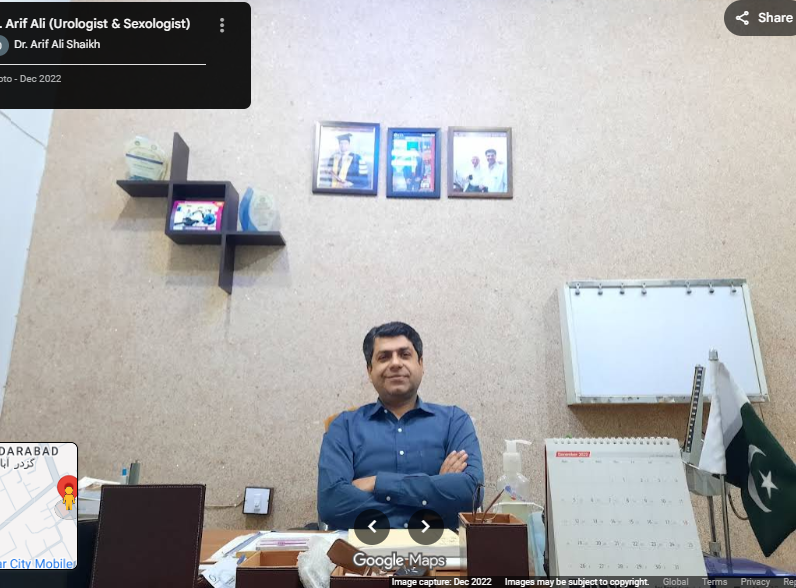
FCPS Urology
20+ Years Practice
Fellowship Endoscopy
12,000+ Patients
Clinical view

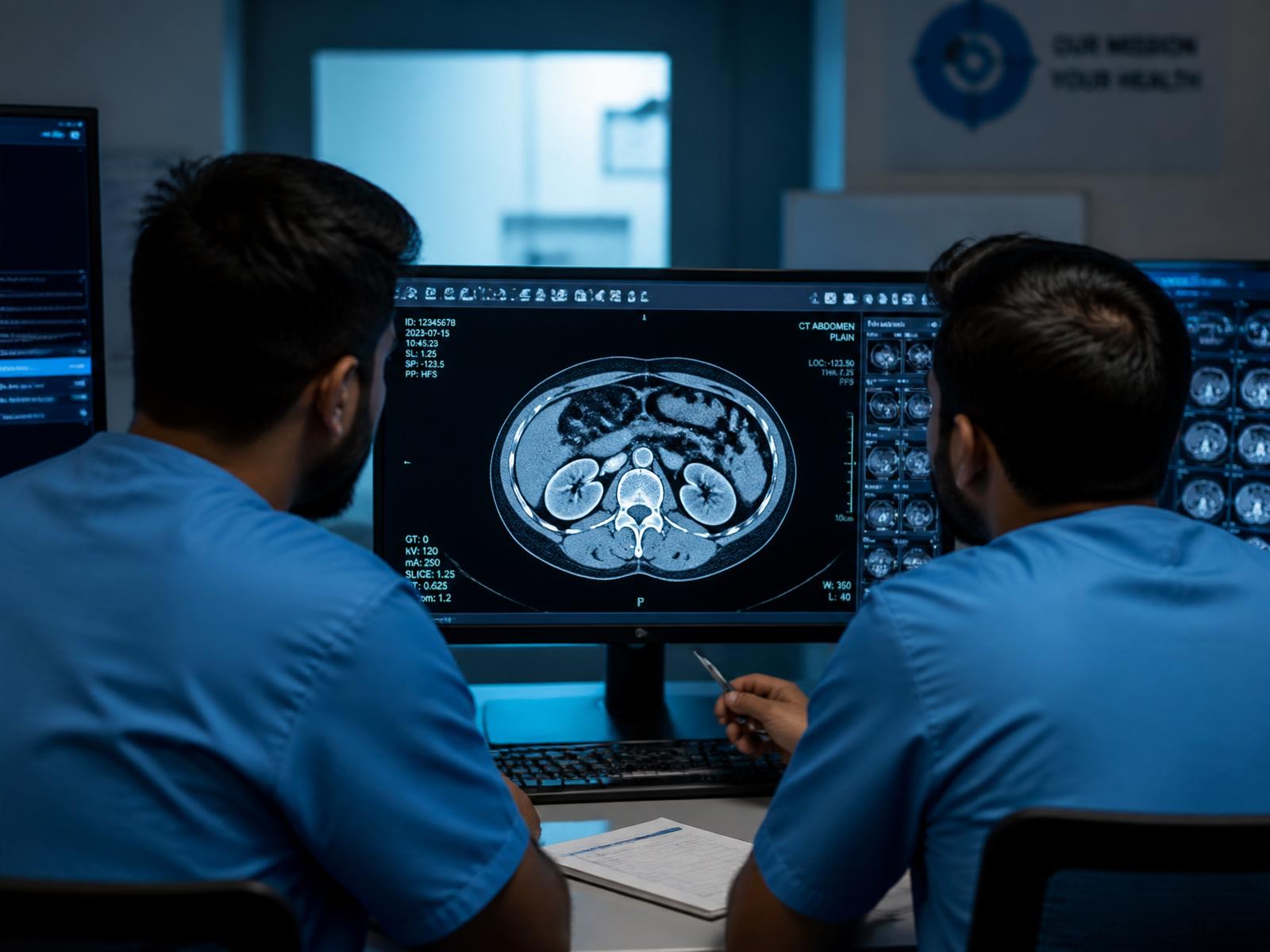
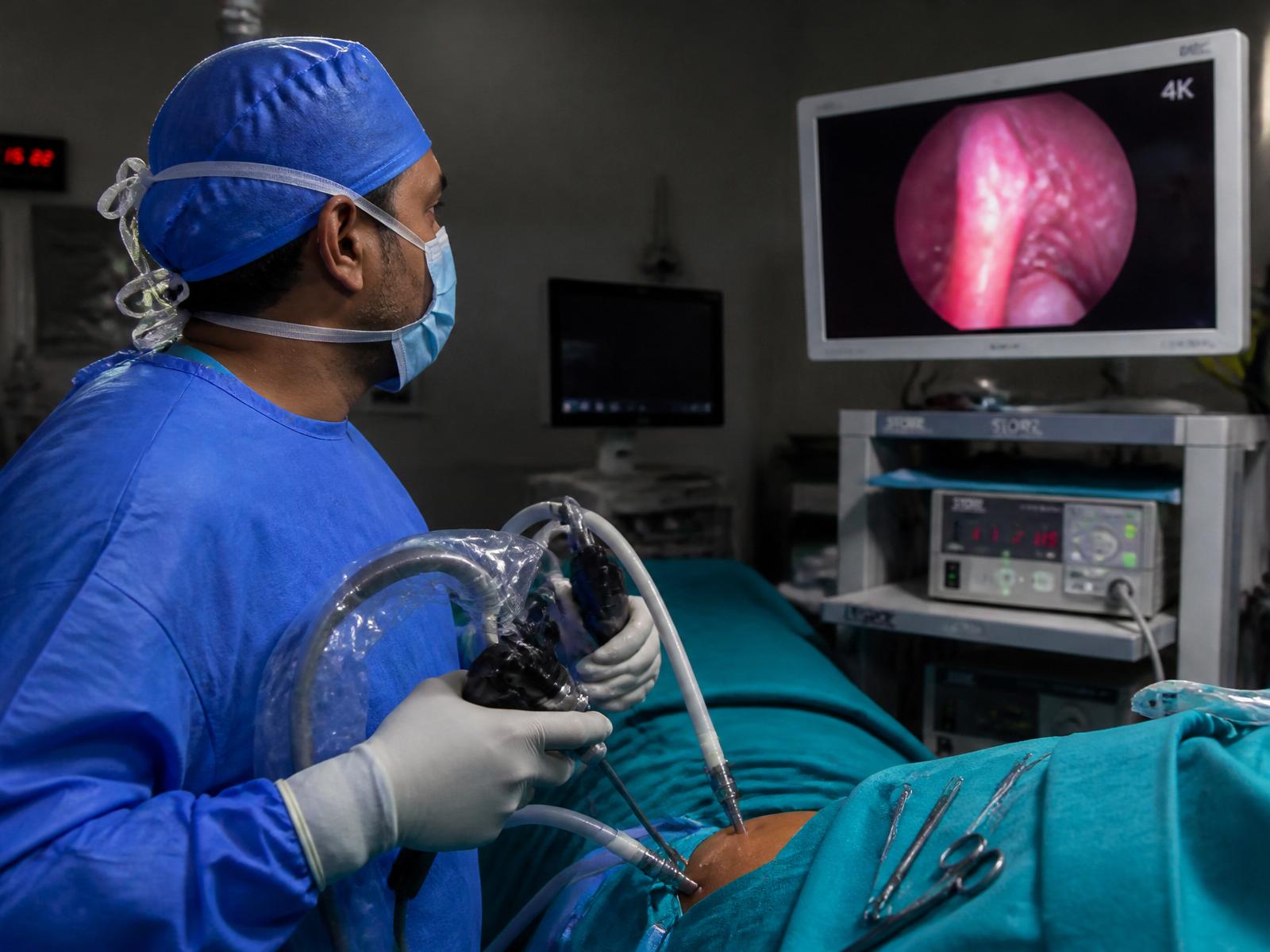
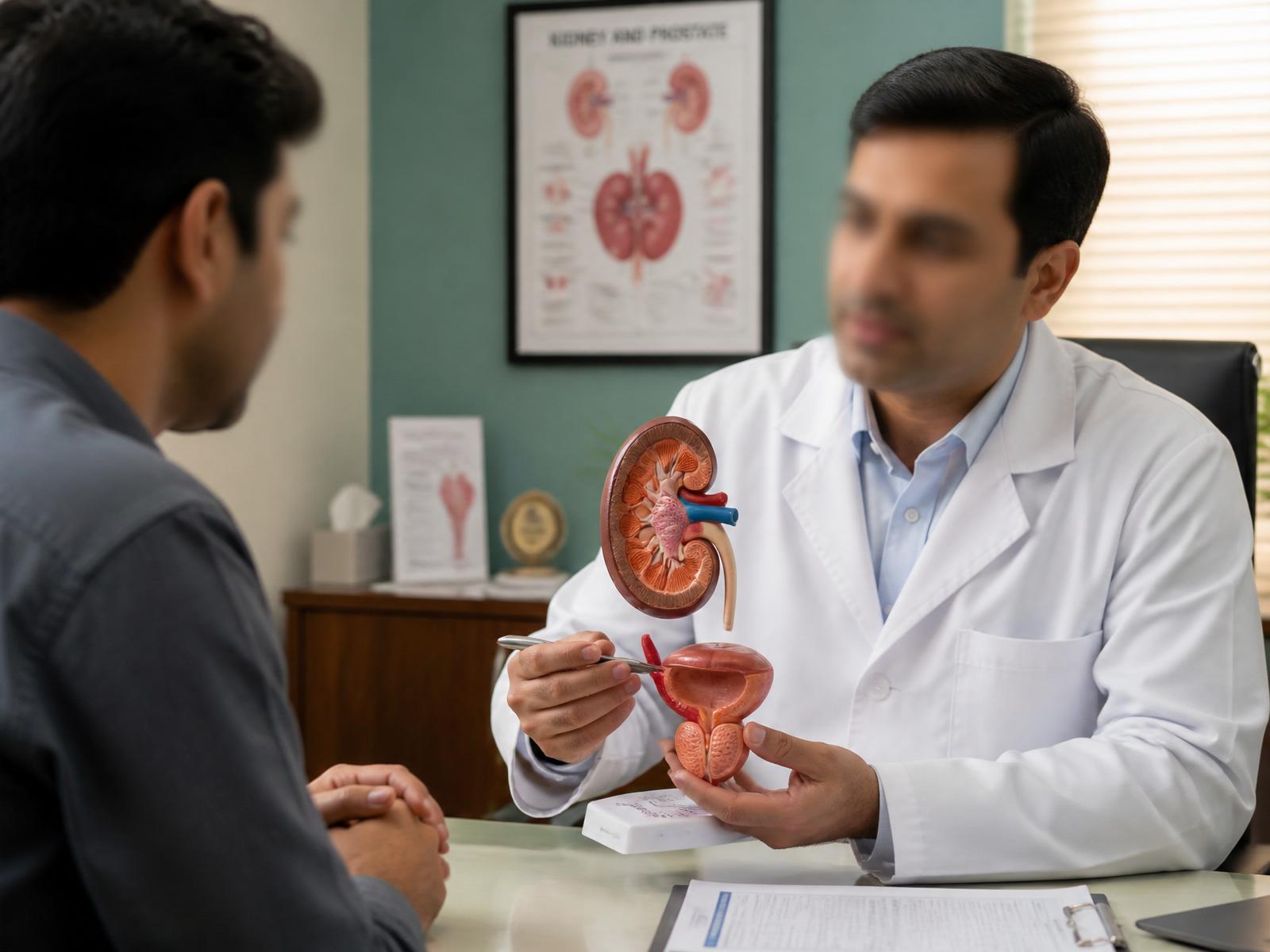
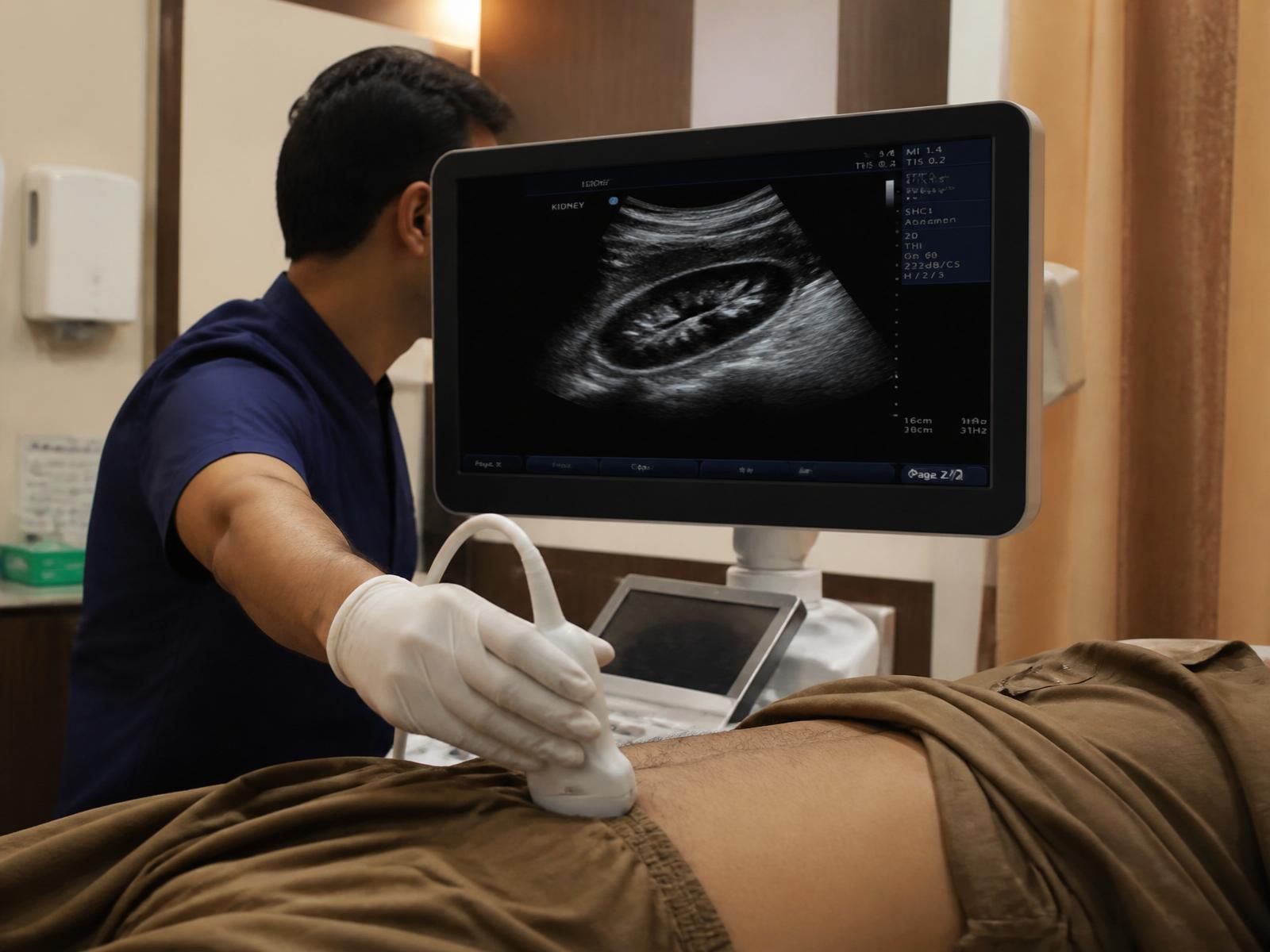
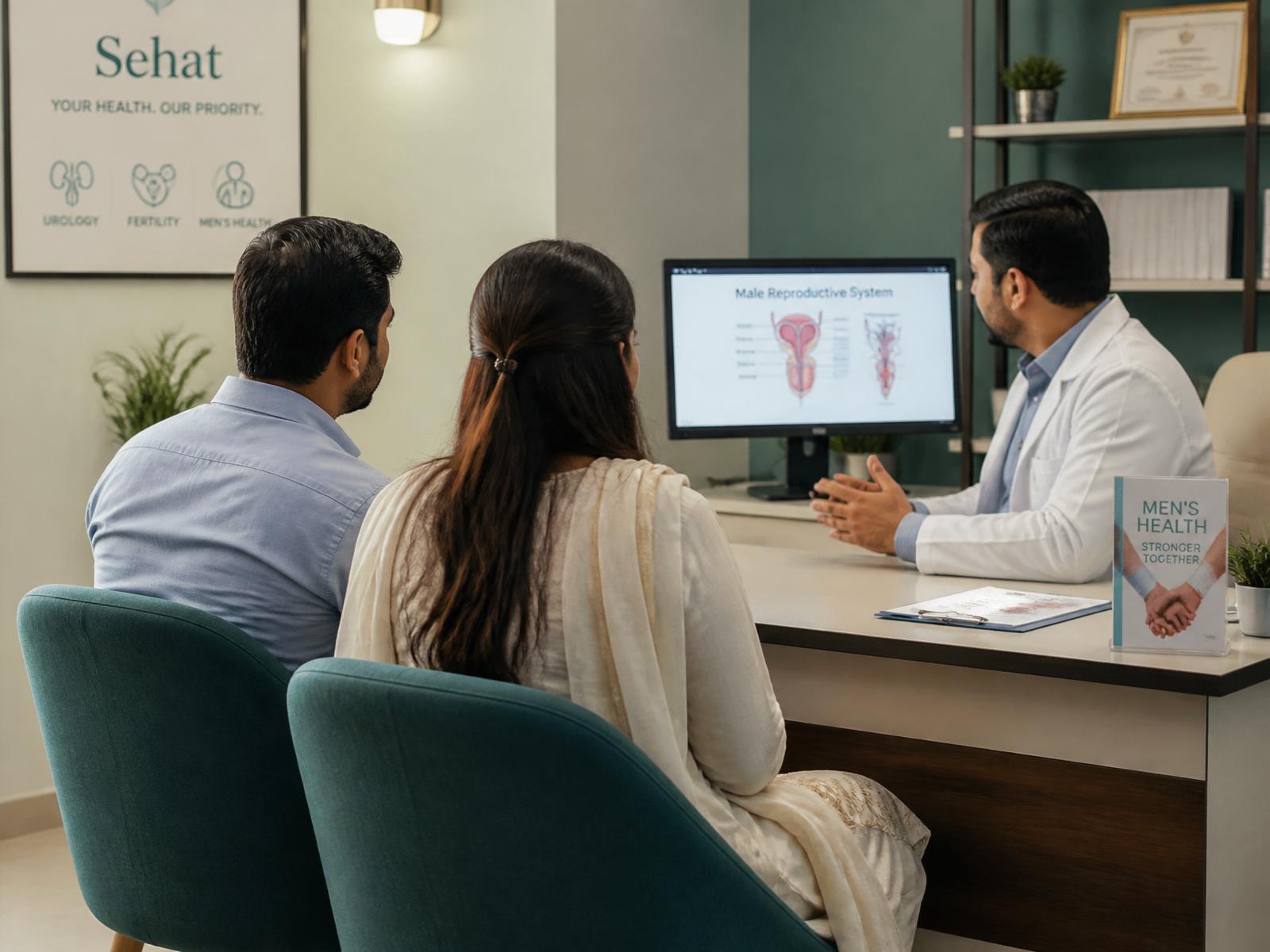
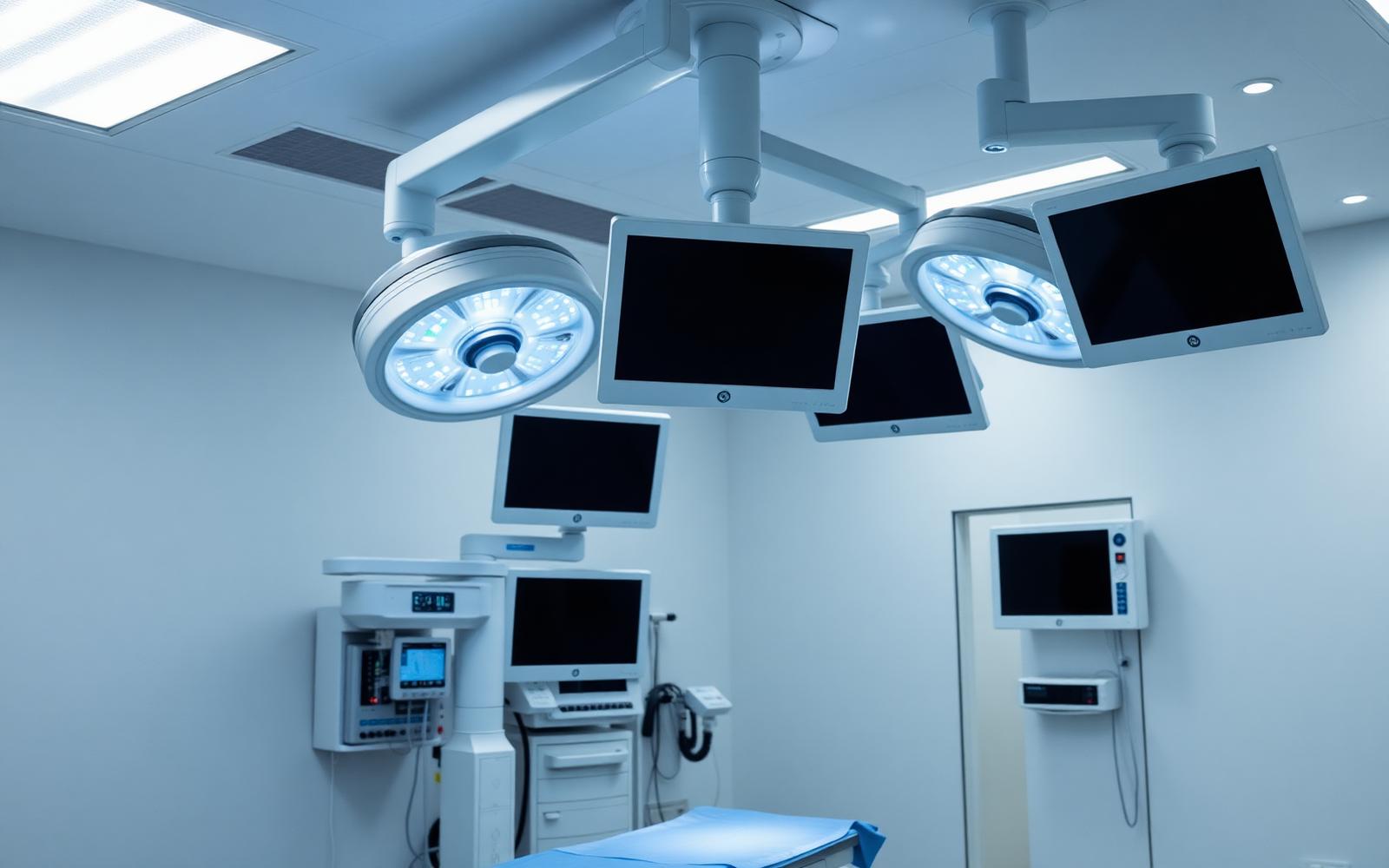
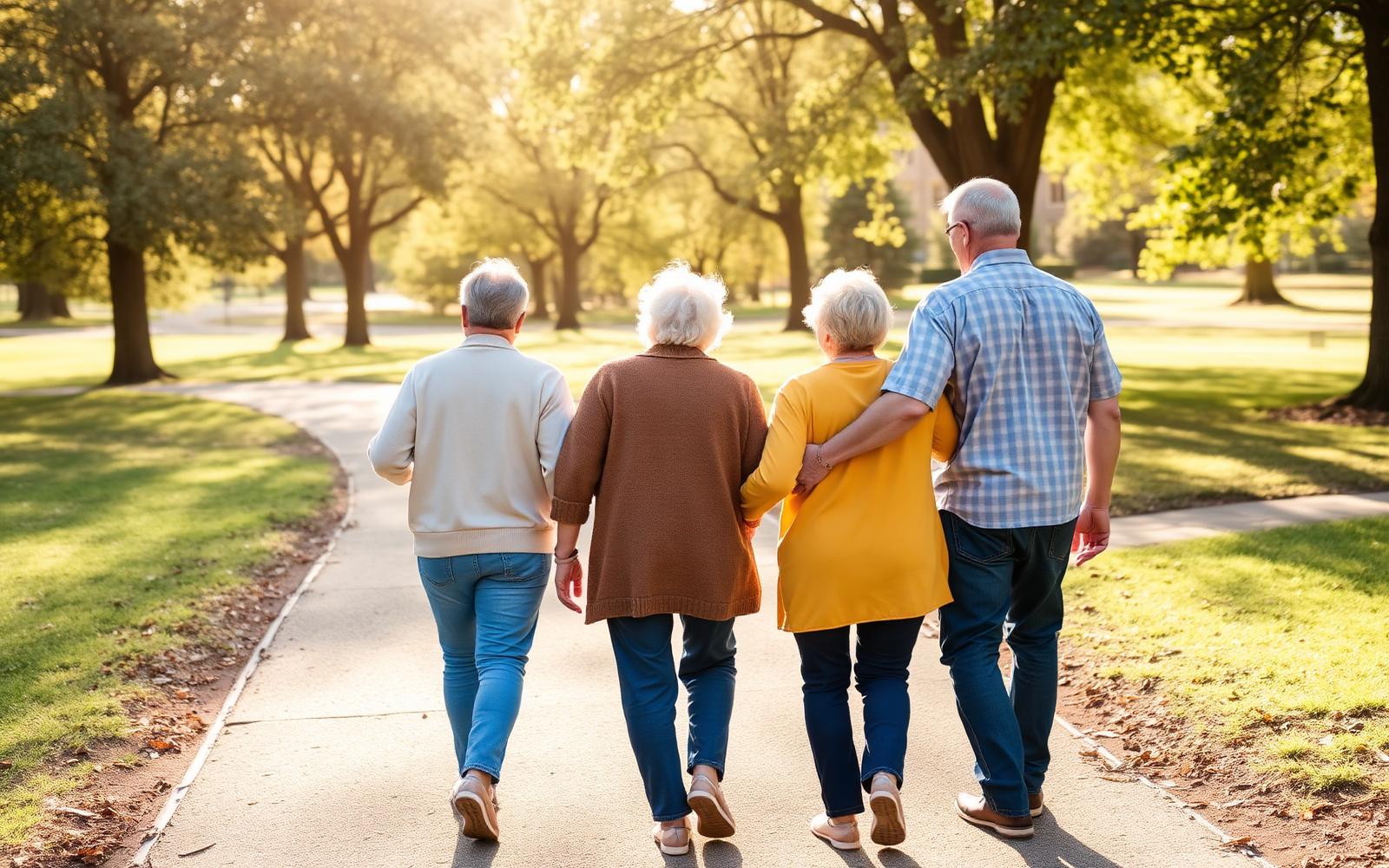
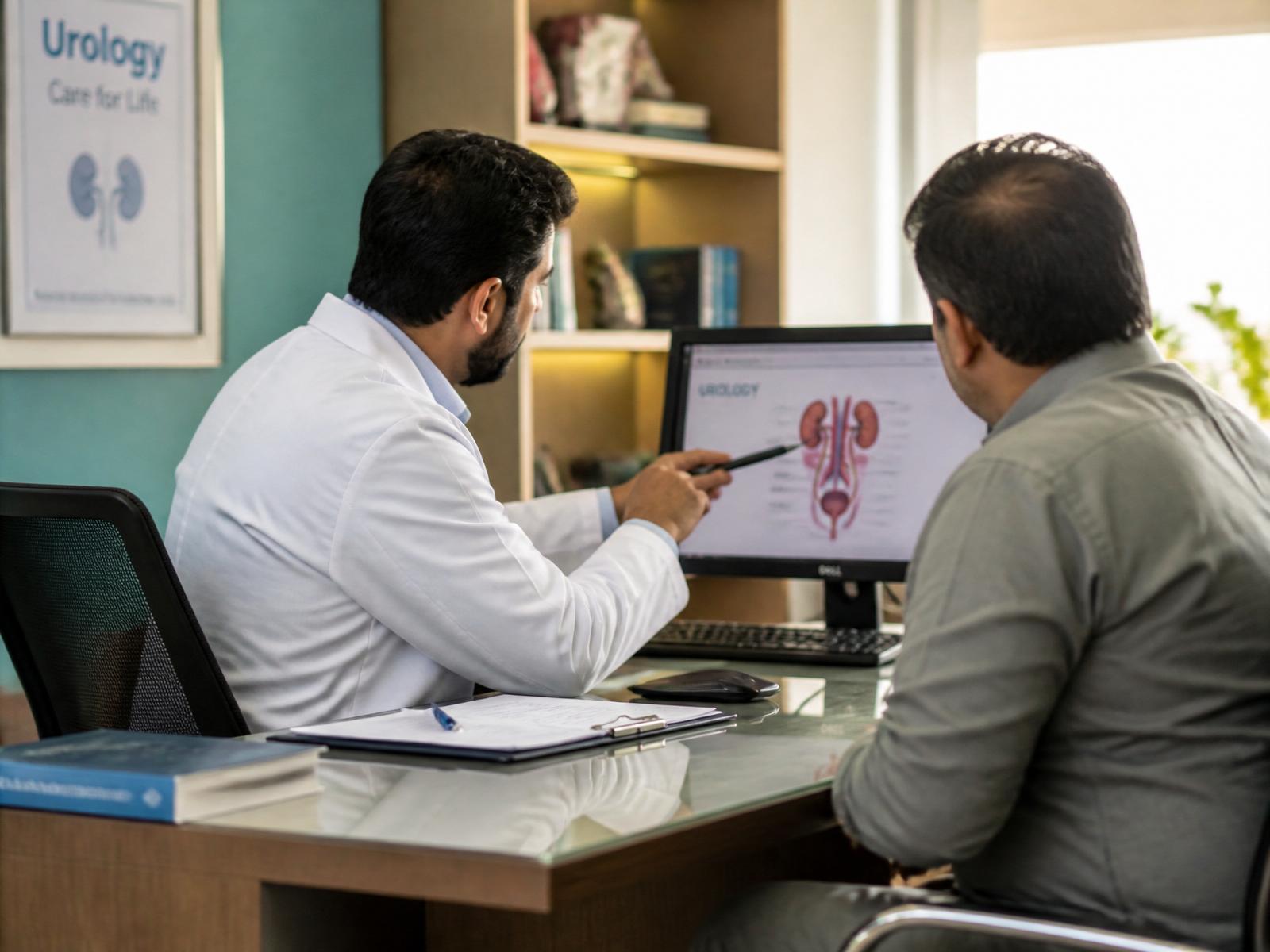
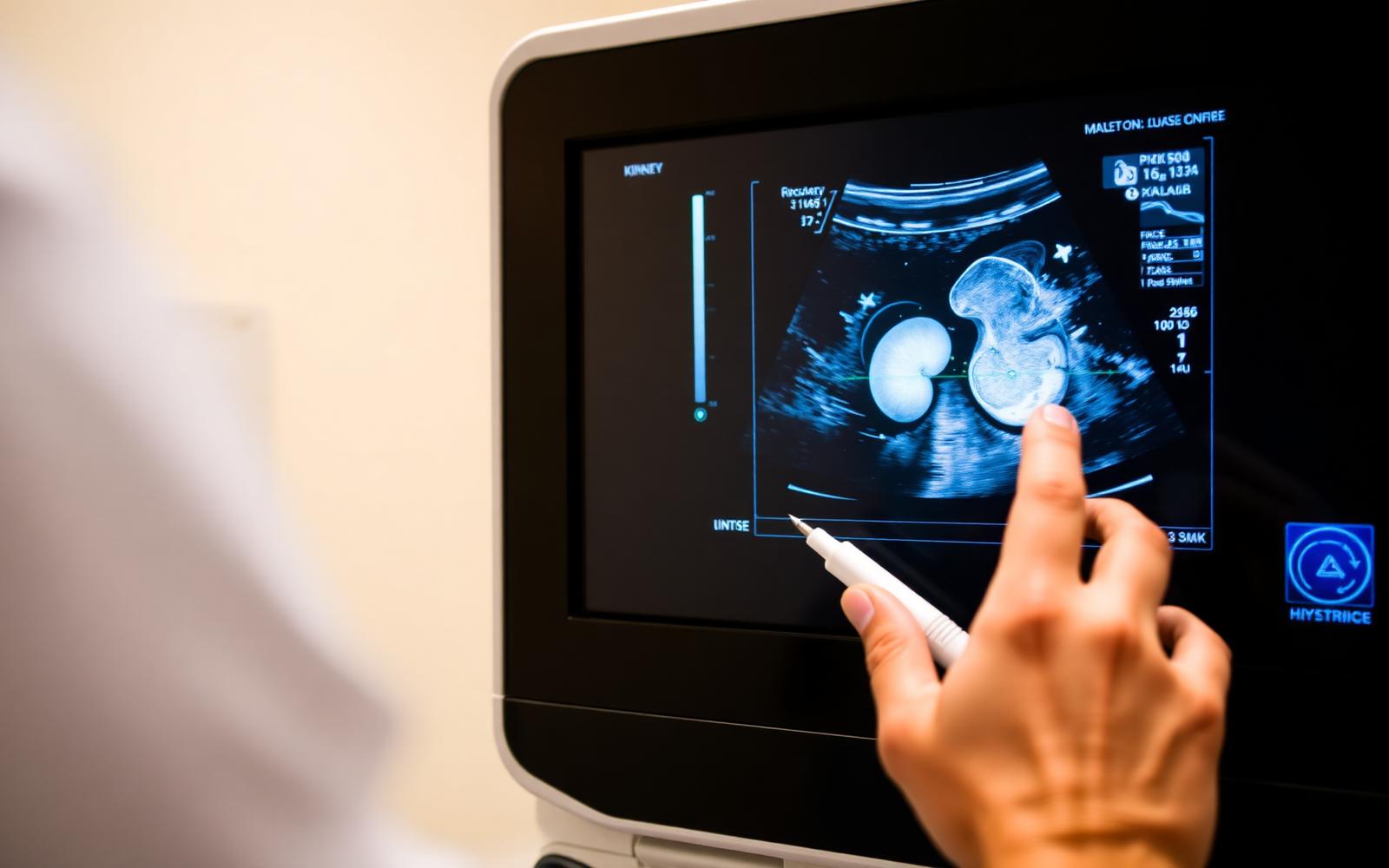
Anonymous scenes from a modern urology & sexology practice.

Illustrative clinical photography — the space, the technology and the care Dr. Arif’s patients experience every day.

Overview

The prostate is a walnut-sized gland surrounding the male urethra. From the age of 45 onwards it slowly enlarges — a benign process that gradually narrows the urinary channel. The result is a set of well-recognised symptoms that respond very well to modern treatment.

Symptoms

  • Weak or interrupted urinary stream
  • Difficulty starting urination (hesitancy)
  • Frequent night-time urination (nocturia)
  • Sudden, urgent need to urinate
  • Incomplete bladder emptying
  • Dribbling at the end of urination
  • Causes

  • Natural hormonal changes with age
  • Family history of BPH
  • Metabolic syndrome and obesity
  • Sedentary lifestyle
  • Certain medications that affect bladder function
  • Diagnosis

  • IPSS (International Prostate Symptom Score) questionnaire
  • Digital rectal examination
  • PSA blood test to rule out cancer
  • Ultrasound of prostate, bladder and post-void residue
  • Uroflowmetry to objectively measure urinary flow
  • Urine analysis and, if needed, cystoscopy
  • Treatment

    Lifestyle modification

    Fluid timing, bladder training and weight reduction — often the first step for mild symptoms.

    Medication

    Alpha-blockers relax the prostate muscle; 5-alpha reductase inhibitors shrink the gland over months.

    Laser prostate surgery

    Holmium laser enucleation (HoLEP) or thulium vaporisation — precise, low bleeding, short hospital stay.

    Bipolar TURP

    A refined version of the classic prostate operation with excellent long-term outcomes and lower complication rates.

    Prevention

  • Avoid excessive caffeine and alcohol, especially at night
  • Empty the bladder fully — take your time
  • Stay physically active — 30 minutes of brisk walking most days
  • Maintain a healthy weight and blood pressure
  • Annual review from age 50, or 45 with family history
  • Frequently asked

    When to see a doctor

    Don't wait if symptoms persist.

    If you notice worsening pain, blood in the urine, fever, or symptoms that disrupt sleep or intimacy — book a consultation. Early evaluation almost always means a simpler treatment.

    Book with Dr. Arif
    Related

    Enlarged Prostate (BPH)

    Modern endoscopic and laser therapies restore comfortable, uninterrupted urinary flow.
    Ready to talk?

    Bring your questions — leave with a plan.

    A single private consultation with Dr. Arif is often all it takes to understand your options clearly.

    A
    Dr. Arif Ali
    Urologist · Sexologist
    Consultant Urologist & Sexologist based in Karachi. Two decades of endoscopic, laser and reconstructive urology — delivered with warmth and complete privacy.

    Clinic Timings

    • Monday – Friday · 5:00 PM – 9:00 PM
    • Saturday · 4:00 PM – 8:00 PM
    • Sunday · By appointment
    Garden Road, Preedy Quarters, Karachi, Pakistan
    +92 321 2816610
    © 2026 Dr. Arif Ali Shaikh. All rights reserved.
    Karachi, Pakistan · Consultant Urologist & Sexologist
    Scroll to Top